Get In-Depth Data to Fuel Your Strategy
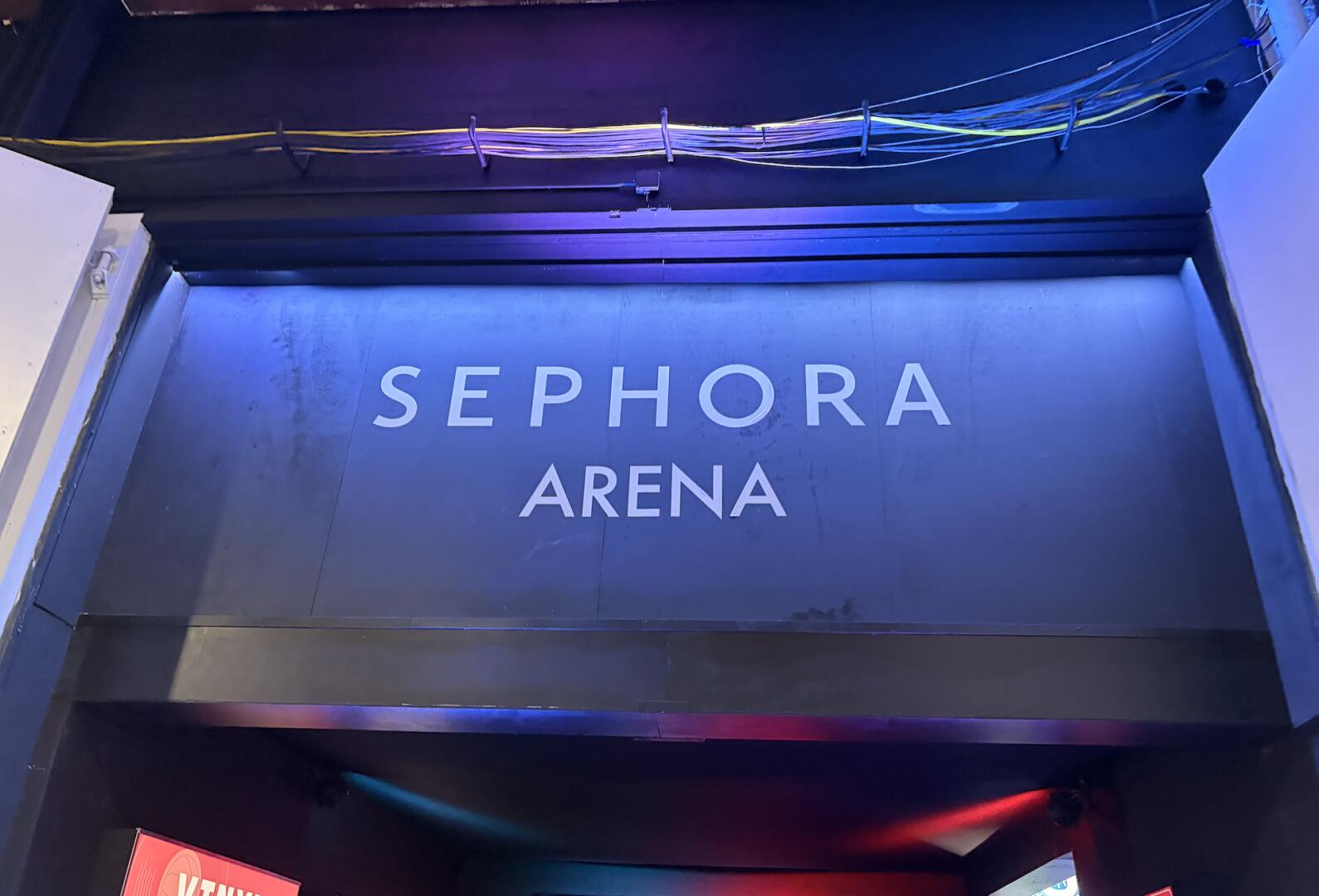
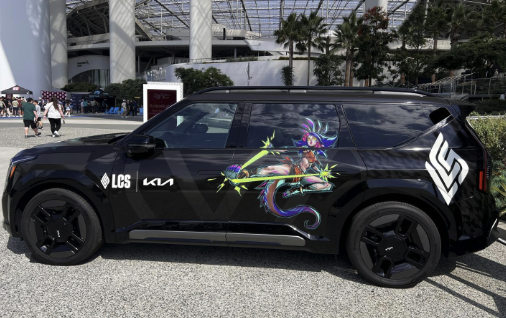
When Sephora partnered with Unrivaled Basketball, the brand expanded far beyond a standard sponsorship playbook. What began as a glam room activation evolved into arena naming rights, integrated player content, media-day experiences, and eventually the Sephora Glam Bus Tour, a mobile fan activation tied directly into TNT Sports broadcasts and Bleacher Report social coverage. Even self-driving delivery vehicles wrapped in Unrivaled branding became part of the campaign.
That kind of partnership reflects a broader shift happening across emerging sports leagues. From women’s hockey and startup basketball leagues to tech-driven golf, lacrosse, and MMA, brands are becoming embedded in the experience itself, helping shape how these leagues look, feel, and engage fans.
The trend is attracting an increasingly high-profile mix of marketers. Nike is entering the Premier Lacrosse League. AT&T and Samsung are integrating directly into TGL’s technology infrastructure. Ally Financial is building a coordinated women’s sports strategy across multiple leagues. And Sprite is putting Unrivaled players on national retail packaging.
Part of the appeal is timing. These leagues are still defining their identities, audiences, and fan experiences in real time, creating more space for brands to play a visible role in the culture of the property. For marketers looking for deeper integration, storytelling opportunities, and long-term positioning, emerging leagues are becoming increasingly attractive territory.
The Newer Leagues and Their Brands
The emerging league ecosystem is attracting a mix of established global advertisers and challenger brands looking to secure positioning before these properties mature. Here’s a look at some of them.
Premier Lacrosse League (PLL)
PLL is gaining momentum ahead of lacrosse’s return to the Olympics in Los Angeles in 2028, drawing brands like Powell Lacrosse, Castore, Gatorade, Nike, and IBM. Nike recently signed on as the league’s official apparel provider beginning in 2026, while IBM is integrating AI across ticketing, fan insights, and revenue forecasting. Part of the league’s appeal is its wholly owned structure, which gives sponsors access to league IP, teams, athletes, broadcast inventory, and activations through a single agreement — a much simpler model than traditional team-by-team negotiations.
The Golf League (TGL)
TGL has quickly become one of the most sponsor-friendly new properties in sports because the league was built around technology from the start. Brands like AT&T, Samsung, Full Swing, and Monster Energy are integrating directly into gameplay infrastructure, real-time data, and interactive broadcast experiences. AT&T’s partnership includes the “Player Connect” interview segment and Matchup Live digital experiences, reinforcing how sponsors are becoming part of the product itself. The league’s opening night drew nearly one million viewers and skewed younger than traditional golf audiences, while broad celebrity backing from figures like Tiger Woods, Rory McIlroy, Stephen Curry, Serena Williams, and Shohei Ohtani has added cultural relevance beyond golf.
The Professional Women’s Hockey League (PWHL)
PWHL is rapidly becoming one of the most important growth stories in sponsorship. Brands including e.l.f., Barbie, Midea, Ally Financial, SharkNinja, and Kyndryl have entered the league as audience momentum continues to build. The PWHL surpassed one million single-season attendees during the 2025–26 season, averaging more than 9,300 fans per game — up 28% year over year. Olympic visibility also boosted interest after 61 PWHL players competed in the 2026 Winter Games. For many sponsors, the appeal lies in the opportunity to establish authentic positioning within one of sports’ fastest-growing and historically underinvested categories: women’s sports.
Unrivaled Basketball
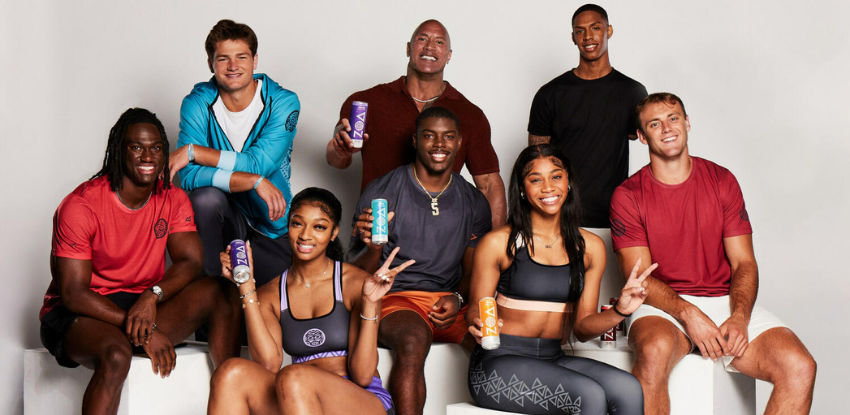
Unrivaled Basketball has attracted an unusually strong roster of launch partners, including Sephora, Coca-Cola (including Sprite), Xfinity, Maker’s Mark, PwC, and Cheez-It. Several deals represent category firsts, including Maker’s Mark’s first sports league partnership and Sprite’s national retail packaging campaign featuring Unrivaled players. Co-founded by Breanna Stewart and Napheesa Collier, with players holding equity stakes, the league offers brands a level of athlete buy-in and authenticity that resonates strongly with marketers.
Professional Fighters League (PFL)
PFL continues to attract betting, gaming, crypto, and supplement brands through partnerships with companies like Sportradar, EFX Sports, and Duelbits. Its biggest differentiator is global reach: the league stages events across North America, Europe, the Middle East, and Africa while distributing broadcasts to more than 170 countries. At the same time, PFL is building a broader betting and data ecosystem around real-time wagering and official league data, creating sponsorship opportunities that extend beyond traditional media exposure.
Why Brands Are Trying the Newer Leagues
The biggest advantage emerging leagues offer brands is space to build. In mature sports ecosystems, sponsorship inventory is crowded, integrations are standardized, and standing out often requires massive spending just to achieve baseline visibility. Newer leagues are still shaping their identities in real time, giving brands more influence over the fan experience itself.
That creates opportunities that are increasingly rare in established sports. Many of these leagues still have open “official partner” categories, allowing brands to establish long-term association while the property is still building cultural relevance. More importantly, the integrations tend to run far deeper than traditional logo placement.
At Unrivaled, Sephora expanded from a beauty partner into arena naming rights, player content, and lifestyle activations woven directly into the league experience. At TGL, brands like AT&T and Samsung are embedded into the technology infrastructure powering gameplay and broadcasts, while KPMG’s analytics integrations appear directly within the viewing experience itself.
Audience dynamics are also part of the appeal. TGL and Unrivaled skew younger than traditional golf and basketball audiences, PFL’s global MMA fanbase indexes among the youngest in professional sports, and both PWHL and Unrivaled provide direct access to women’s sports fans — one of the fastest-growing audiences in media. For brands targeting younger consumers, these leagues offer more culturally engaged audiences and more flexibility in how partnerships come to life.
Ultimately, brands are trading pure scale for deeper integration, stronger category ownership, and longer-term growth upside. The value proposition is increasingly centered around participation in the culture of the league rather than passive visibility around it.
Signal for Where Sponsorship is Heading
Several recent campaigns across emerging leagues offer a preview of where sponsorship strategy is evolving.
Sephora’s partnership with Unrivaled stands out as one of the clearest examples of sponsorship becoming a full lifestyle ecosystem. The relationship expanded from in-arena beauty activations into arena naming rights, mobile fan experiences, social content, broadcast integrations, and even branded Coco Robotics delivery vehicles tied to the league’s coverage.
TGL is driving a different evolution, where the infrastructure itself becomes the sponsorship. AT&T’s integrations — including Player Connect interviews, Matchup Live experiences, and broadcast features — all reinforce the company’s core products around connectivity and real-time communication. Instead of surrounding the sport, the sponsorship is embedded directly into how the product works.
Other brands are using emerging leagues to build broader strategic narratives. Ally Financial has created a portfolio approach across women’s sports through partnerships with Unrivaled, the NWSL, and the PWHL, reinforcing a consistent brand position around investment in women’s sports. Sprite’s decision to feature Unrivaled athletes on national retail packaging similarly signals growing confidence that athletes from emerging leagues can drive mainstream cultural relevance and consumer behavior.
Emerging leagues are also creating new opportunities for B2B sponsorships. KPMG’s analytics partnership with TGL and PwC’s integration into Unrivaled position both firms alongside innovation, technology, and performance analytics rather than traditional advertising inventory. These partnerships are increasingly functioning as credibility platforms as much as marketing campaigns.
The Takeaway for Brand Marketers
The rise of emerging sports leagues is changing the structure of sponsorship itself. Brands are placing greater emphasis on integration, cultural relevance, flexibility, and long-term positioning — areas where newer leagues often have structural advantages over more established properties.
For marketers, the opportunity is less about chasing the largest audience today and more about building meaningful presence before these ecosystems fully mature.
%20(2).png)
.png)
.png)
.png)
.png)
.png)
.png)
%20(1).png)
.png)
.png)
.png)
.png)
.png)

.png)
.png)
%20(1).png)

.png)
.png)
.png)
.png)
.png)
.png)
.png)
.png)
.png)
.png)





.png)


















.jpg)


.png)
.png)