Get In-Depth Data to Fuel Your Strategy
In just a few short years, the sports sponsorship landscape has been transformed by the rise of betting companies aggressively carving out territory across teams, leagues, and influencers. Now, a new wave of players—prediction market platforms—are following that same blueprint.
Two of the biggest names in the space, Polymarket and Kalshi, are sprinting into the sponsorship spotlight, striking deals at a pace reminiscent of the early betting boom.
Betting Meets Its Disruptor?
Prediction markets occupy a compelling gray zone between speculation, information, and entertainment. While they're not “sportsbooks” in the traditional sense, their appeal to a similar demo—digital-savvy, data-driven, and engagement-hungry—makes them natural competitors for attention.
The incumbents have taken notice. Both DraftKings and FanDuel have quietly launched their own prediction market-style offerings, an early signal that they recognize the potential disruption.
But there's a deeper shift unfolding here. Prediction markets don't just allow users to bet on sports, they open the door to speculation on everything from politics to weather to pop culture, expanding the total addressable market far beyond the confines of the field or court.
From Niche to Everywhere: The Prediction Market Land Grab
In 2024, Polymarket had only four partnerships—none of them based in the United States. Fast forward to 2026, and the platform has built a sponsorship portfolio that now includes:
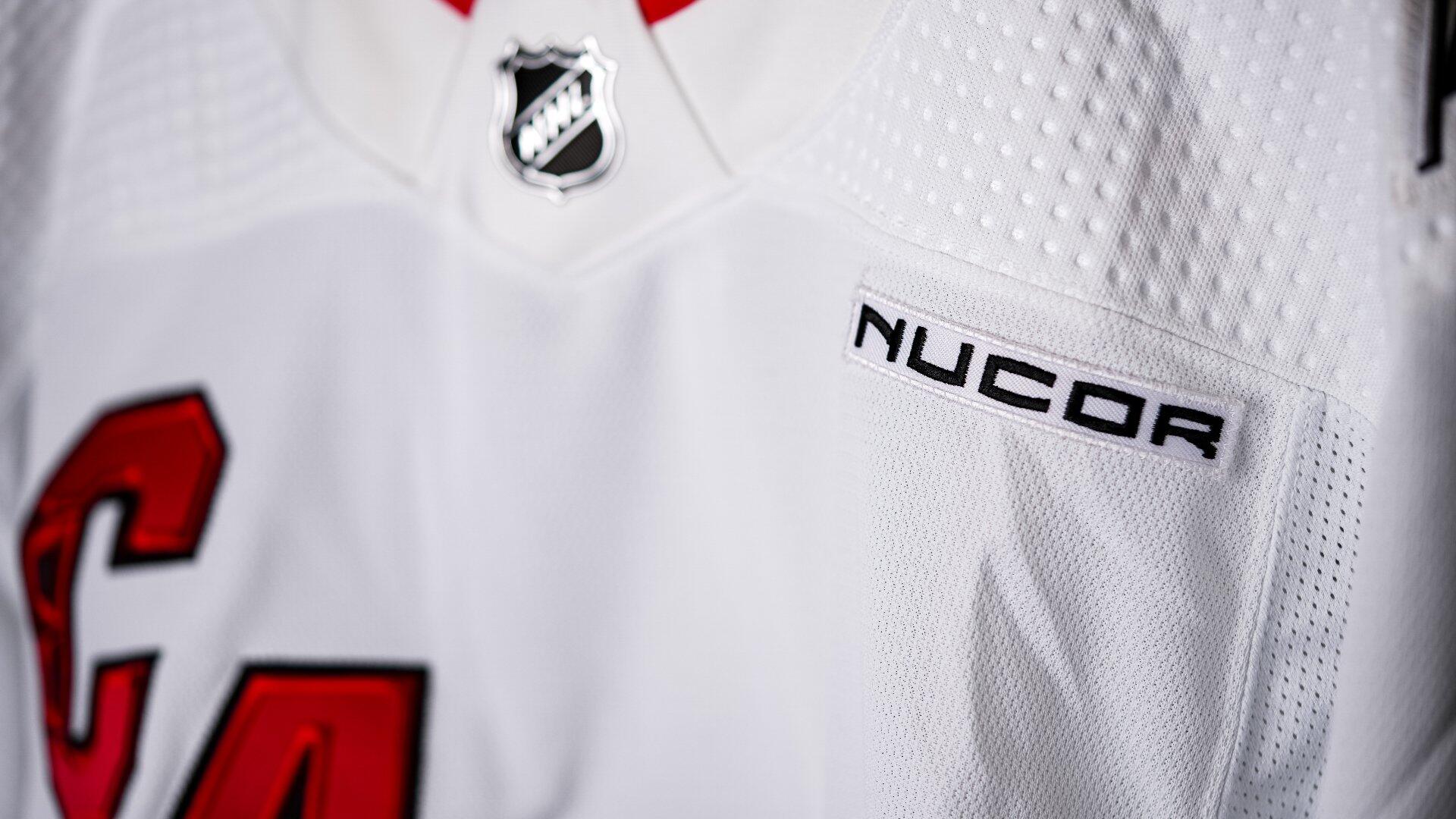
- Leagues: NHL, Major League Pickleball
- Teams: New York Rangers
- Combat Sports: UFC
- Influencers: Taylor Mathis, Anthony Joshua
Meanwhile, Kalshi is not far behind. The company has aligned with the NHL, the Chicago Blackhawks, the Pro Padel League, and is expanding its footprint through influencer partnerships across multiple verticals.
The speed and scale of these moves are striking. It mirrors the playbook that sports betting companies like DraftKings and FanDuel used in their early days—flooding the market with visibility, embedding themselves in fan culture, and positioning as must-have apps for the modern sports consumer.
What Comes Next
As these platforms continue to gain traction, expect several ripple effects:
- Increased competition for sponsorship assets once dominated by betting companies
- Regulatory scrutiny as the line between prediction and wagering continues to blur
- Greater experimentation from leagues and teams open to next-gen fan engagement tools
The question isn't just who will dominate the prediction market category but how it will reshape the broader sponsorship and engagement ecosystem.
One thing is clear: the race is on, and prediction markets are no longer waiting on the sidelines.

.png)
.png)
.png)
.png)
.png)
.png)
%20(2).png)
.png)
.png)
.png)
.png)
.png)
.png)
%20(1).png)
.png)
.png)
.png)
.png)
.png)

.png)
.png)
%20(1).png)



.png)
.png)
.png)
.png)
.png)
.png)
.png)
.png)

.png)
.png)





.png)




















.jpg)