.png)
Get In-Depth Data to Fuel Your Strategy
LSU Athletics’ newly announced partnership with Woodside Energy marks the second primary jersey patch agreement in college sports history. What makes the deal particularly notable is not just its timing, but its scope. Rather than applying to a single team, the agreement extends across all 21 varsity programs within LSU Athletics.
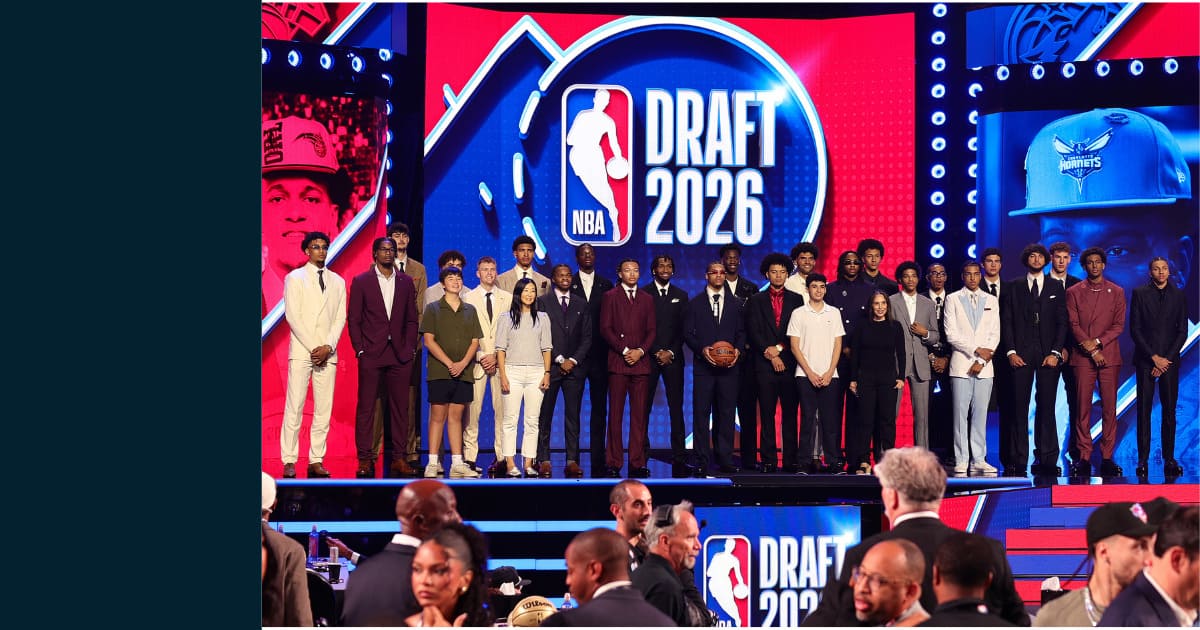
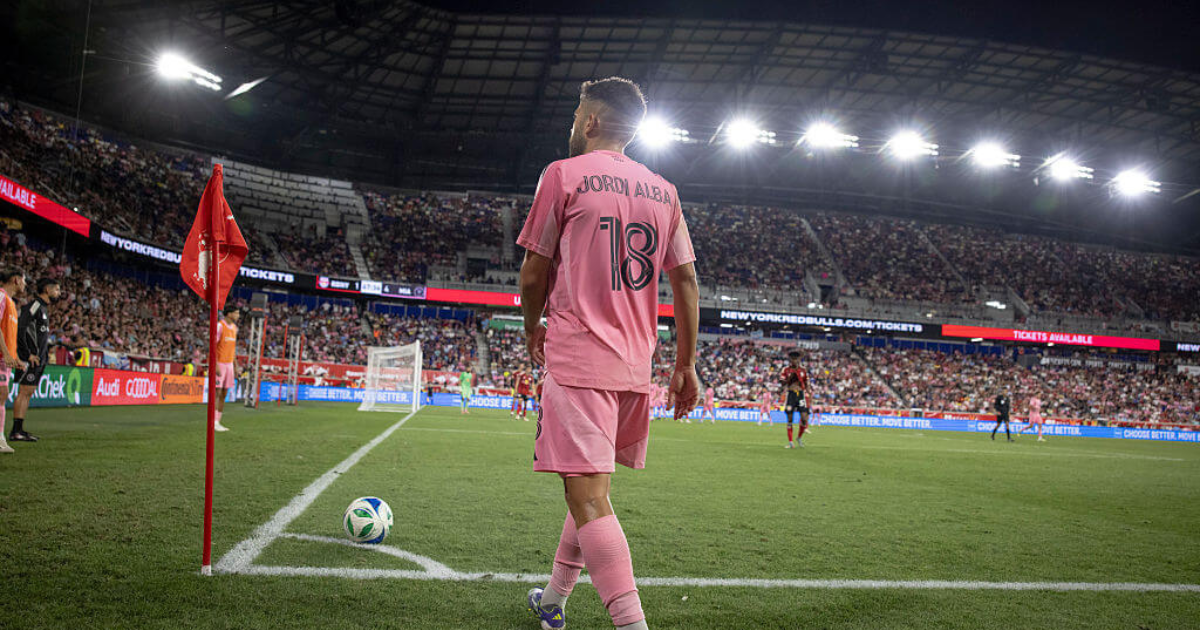
That structure represents a meaningful departure from how jersey patches have traditionally been executed in professional sports. In the NBA, MLB, MLS, NHL, WNBA, and NWSL, jersey patches are negotiated at the team level. LSU’s approach introduces a department-wide asset that spans multiple sports, audiences, and seasonal calendars, creating a consolidated platform rather than a single-placement sponsorship.
For brands evaluating entry into the college jersey patch market, the professional sports landscape offers important context.
What the Professional Market Reveals
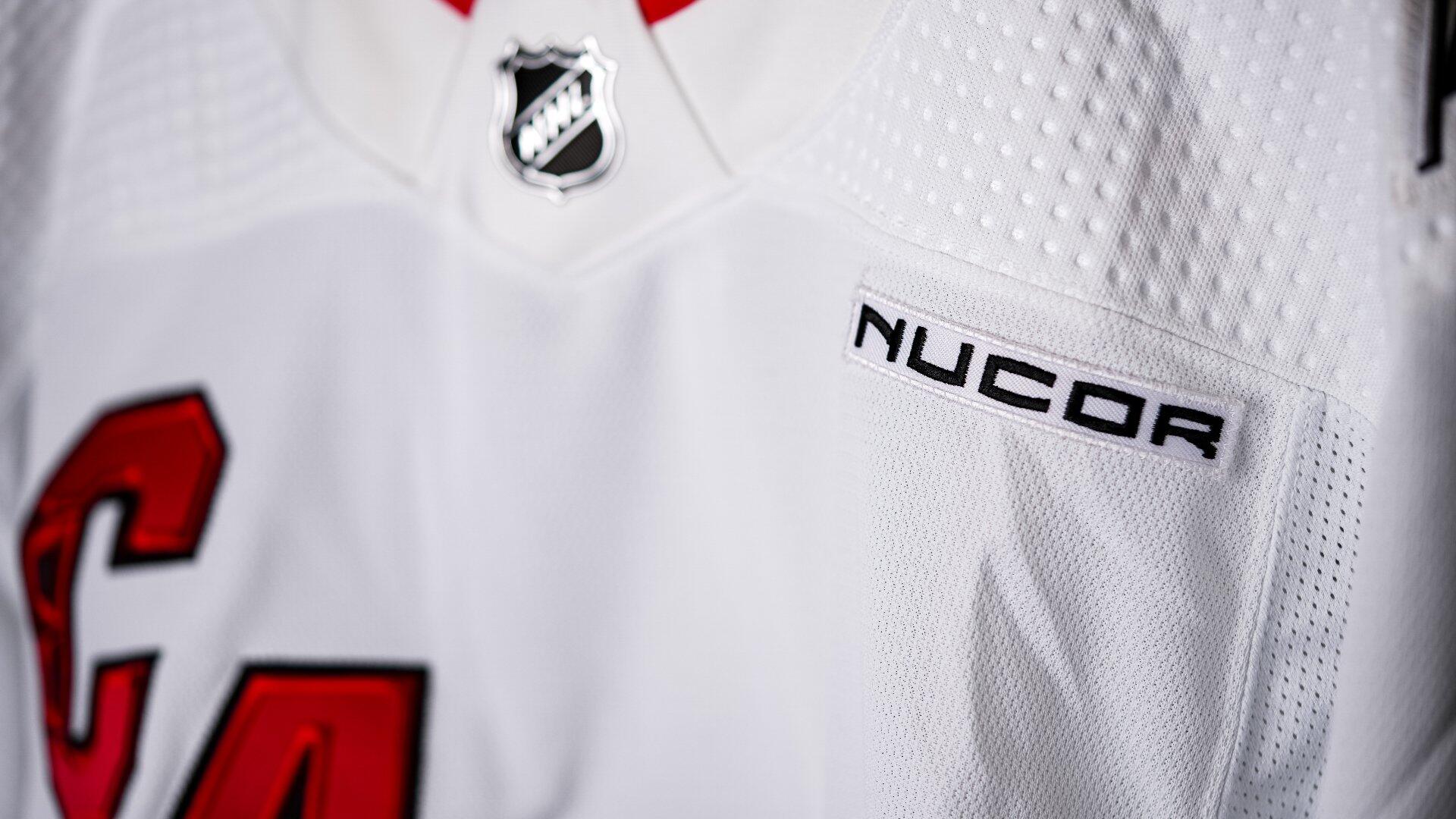
Primary jersey patches are now one of the most valuable premium assets in U.S. sports. Across six major professional leagues, brands invest approximately $828 million annually in these entitlements, accounting for 31% of total premium asset spend. That share places jersey patches among the most significant revenue drivers in modern sponsorship portfolios.
Adoption has also reached maturity. Approximately 93% of teams across those leagues have secured a primary jersey patch partner, leaving only a small number of open opportunities . As inventory has diminished, pricing has stabilized at levels that reflect both scarcity and the asset’s visibility value.
While the largest agreements approach $40 million per year, the median deal sits at $4.6 million annually, with average entry points near $5.6 million depending on league and market. This range demonstrates that jersey patches function across tiers of brand investment, from regional players to multinational enterprises.
These benchmarks matter because they provide the only established reference point for pricing and structuring college equivalents.
LSU’s Model Introduces a Portfolio Framework
The LSU agreement effectively bundles exposure across football, basketball, baseball, Olympic sports, and women’s programs into a single entitlement. That aggregation resembles the multi-team portfolio strategy emerging in professional sports, where brands secure several jersey patches across markets to build regional dominance.
Brands such as Motorola and TD Bank have used multi-team strategies to extend reach and reinforce brand presence across interconnected fan bases. LSU has created a similar effect within a single institution by offering a comprehensive athletic platform rather than isolated team rights.
From a valuation standpoint, this shifts the conversation. Such shifts toward more holistic and sustained sponsorship packages can offer brands more substantial integrated reach and year-round engagement. But they also add a layer of complexity to valuation as brands must evaluate:
- Cumulative impressions across multiple sports
- Digital channels
- Campus initiatives
- And potential NIL activations.
Category Strategy in an Emerging Market
Professional data also reveals how different categories approach jersey patches. Financial institutions account for 25% of total jersey patch spend ($203 million) , often using the placement as a high-visibility trust and awareness vehicle.
Healthcare brands, however, pursue a different model. They secure more deals while spending less per agreement and bundling a greater number of supporting assets. This approach emphasizes integration, community engagement, and long-term association rather than pure prestige pricing.
College athletics may initially resemble the latter model. Universities operate within community ecosystems that extend beyond ticket buyers, and successful partnerships will likely require campus integration, student programming, and alignment with institutional values in addition to logo placement.
Early entrants into the college jersey patch space may therefore structure agreements that prioritize bundled activation and long-term presence before escalating into purely premium visibility plays.
The Long-Term Outlook
Professional jersey patch investment is projected to approach $1 billion annually by 2030, reflecting continued growth, renewal cycles, and expansion inventory.
College athletics is only beginning to define how this asset will function within its own governance and commercial frameworks. LSU’s agreement provides the first case study, but it will not be the last. As more institutions evaluate uniform inventory, the market will gradually establish pricing norms, category leaders, and structural standards.
For brands considering entry, the opportunity lies in understanding how professional benchmarks translate into a multi-sport collegiate environment. Evaluating average deal sizes, category dynamics, bundling strategies, and long-term portfolio approaches will be essential to determining whether a college jersey patch functions as a prestige investment, a community integration platform, or a hybrid of both.
LSU’s announcement represents more than a headline partnership. It introduces a new premium asset class into college sports, and with it, a new set of strategic decisions for brands seeking to define their position early in the market’s evolution.
.png)
.png)
%20(2).png)
.png)
.png)
.png)
.png)
.png)
.png)
%20(1).png)
.png)
.png)
.png)
.png)
.png)

.png)
.png)
%20(1).png)


.png)
.png)
.png)
.png)
.png)

.png)
.png)
.png)
.png)






.png)


























.jpg)


.png)