.png)
Get In-Depth Data to Fuel Your Strategy
College athletics has officially entered the jersey patch era.
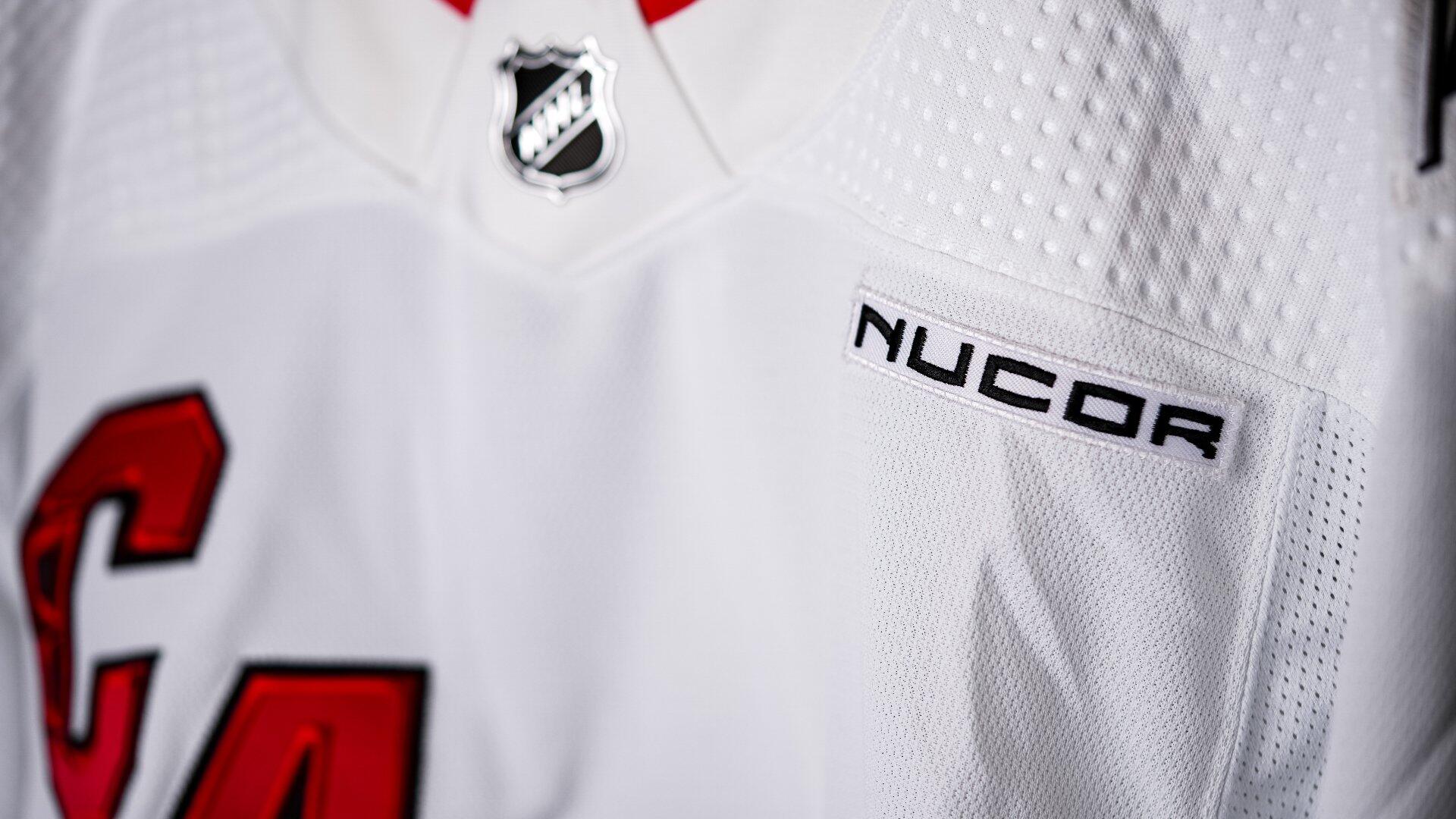
For the first time, Power 4 programs can monetize one of the most premium, visible assets in sports: branded placement directly on the uniform. Professional leagues have already demonstrated the economic power of this inventory. Across six major U.S. leagues, primary jersey patches generate $828 million in annual brand investment, accounting for 31% of total major asset spend.
That benchmark matters. But college isn’t simply replicating the professional model — it’s entering the market under different exposure dynamics, distribution models, and partnership structures.
Programs — like LSU’s landmark jersey patch deal — are already setting precedents. The next phase will define pricing.
The Emerging Pricing Framework for Power 4 Programs
Not all jersey patches will transact at the same level. Exposure varies. National reach varies. Alumni scale varies. Postseason visibility varies.
Early transactions will influence expectations — but the broader market requires structure.
Using five years of primary jersey patch intelligence across major professional leagues, layered with college-specific market variables, SponsorUnited has developed a projected tiered pricing framework for Power 4 programs.
The model accounts for:
- Comparable pro patch economics
- Market size and national broadcast exposure
- Fan passion and engagement intensity
- Program brand equity and competitive relevance
The result is a tiered view of how this emerging category is likely to cluster — and where projected annual transaction rates may land.
Explore the tiers below to see how the market is taking shape.
The tiers illustrate one reality: program value concentrates at the top and cascades downward based on measurable brand and media variables. Strategic pricing at launch will shape long-term positioning in the sponsorship marketplace.
Why Jersey Patches Command Premium Pricing
A jersey patch is persistent visibility.
It appears in every broadcast shot.
It travels across highlights and social distribution.
It lives on merchandise worn for years.
It signals official alignment between brand and institution.
Professional sports have already demonstrated the ceiling. Top deals approach eight figures annually, while median entry points create accessibility across budget tiers
College athletics adds another multiplier: concentrated fan loyalty. Alumni engagement. Regional dominance. Cultural identity.
That combination makes jersey patches one of the most powerful awareness and trust-building assets in sports marketing.
Market Discipline Will Define Long-Term Value
The first wave of deals will establish anchors.
Early pricing sets expectations.
Expectations influence renewals.
Renewals define long-term revenue trajectory.
Programs that enter the market with structured pricing guardrails protect their brand equity and maximize lifetime asset value. Programs that move without data risk compressing their ceiling before the market fully matures.
This asset category will expand. Professional projections already point toward primary jersey patch investment approaching $1 billion annually in the coming years. College participation accelerates that trajectory.
For Rights Holders: A Structural Revenue Shift
The jersey patch is not incremental inventory. It is flagship inventory.
It sits alongside naming rights, premium hospitality, and media entitlements as a top-tier commercial asset. The programs that move decisively will shape conference benchmarks and category exclusivity norms.
Scarcity drives value. Professional leagues already operate near sellout levels. College programs entering early control their own narrative and pricing lane.
For Brands: A Rare Early-Market Window
This is early-cycle access to premium inventory.
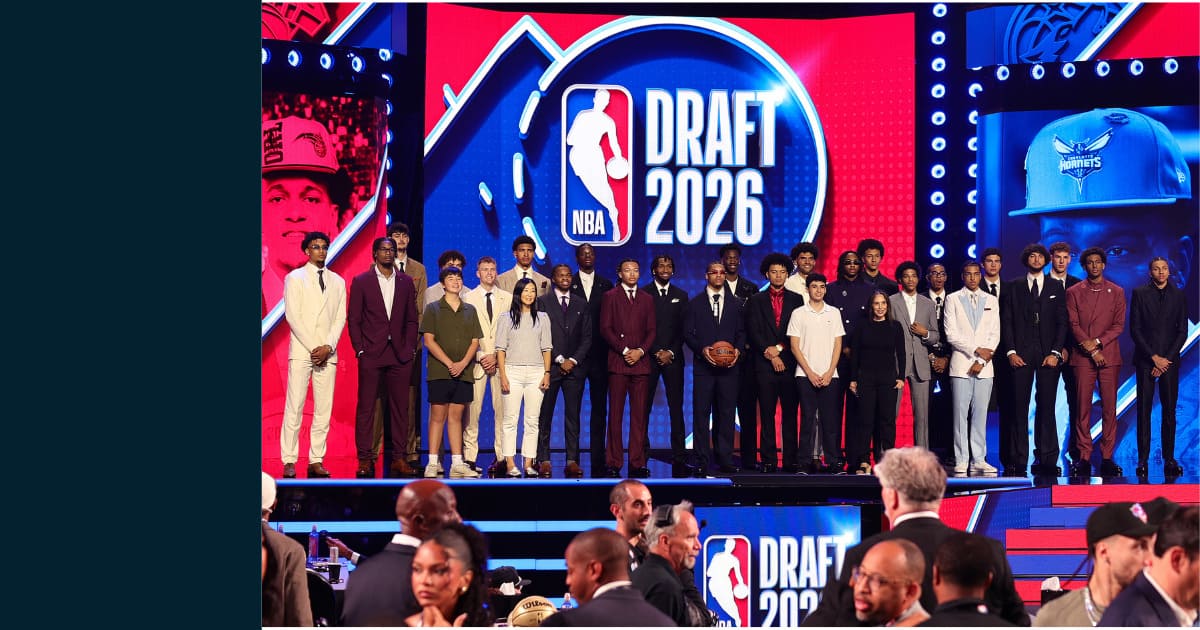
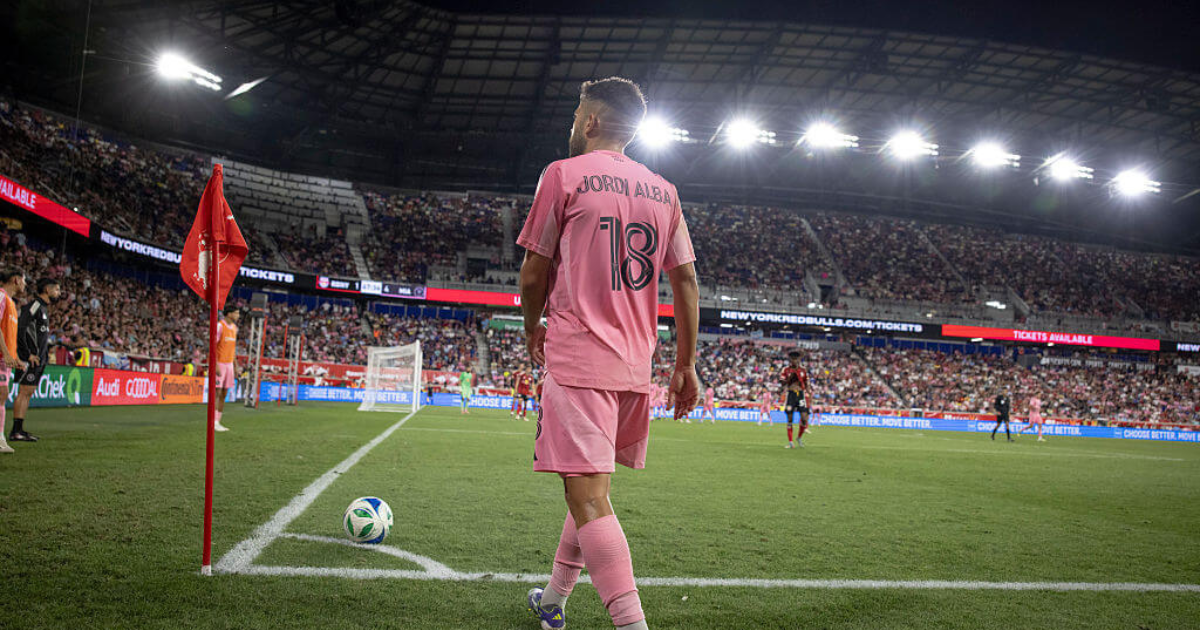
In the NBA and MLS, first movers secured premier franchises before price inflation accelerated. The same dynamic is unfolding in college athletics.
The right program alignment delivers:
- High-frequency broadcast exposure
- Integrated NIL potential
- Social and content amplification
- Alumni affinity and regional dominance
Tier selection determines strategic fit. Premium tiers deliver national scale. Mid-tier programs offer regional efficiency and growth runway. Lower tiers provide cost-effective entry with strong local integration potential.
The college jersey patch era has begun. The tiered market structure is forming in real time. Programs and brands that approach it with data, structure, and urgency will define its trajectory.
.png)
.png)
.png)
.png)
.png)
.png)
%20(2).png)
.png)
.png)
.png)
.png)
.png)
.png)
%20(1).png)
.png)
.png)
.png)
.png)
.png)


.png)
.png)
%20(1).png)


.png)
.png)
.png)
.png)
.png)

.png)
.png)

.png)
.png)






.png)





























.jpg)