.png)
Get In-Depth Data to Fuel Your Strategy
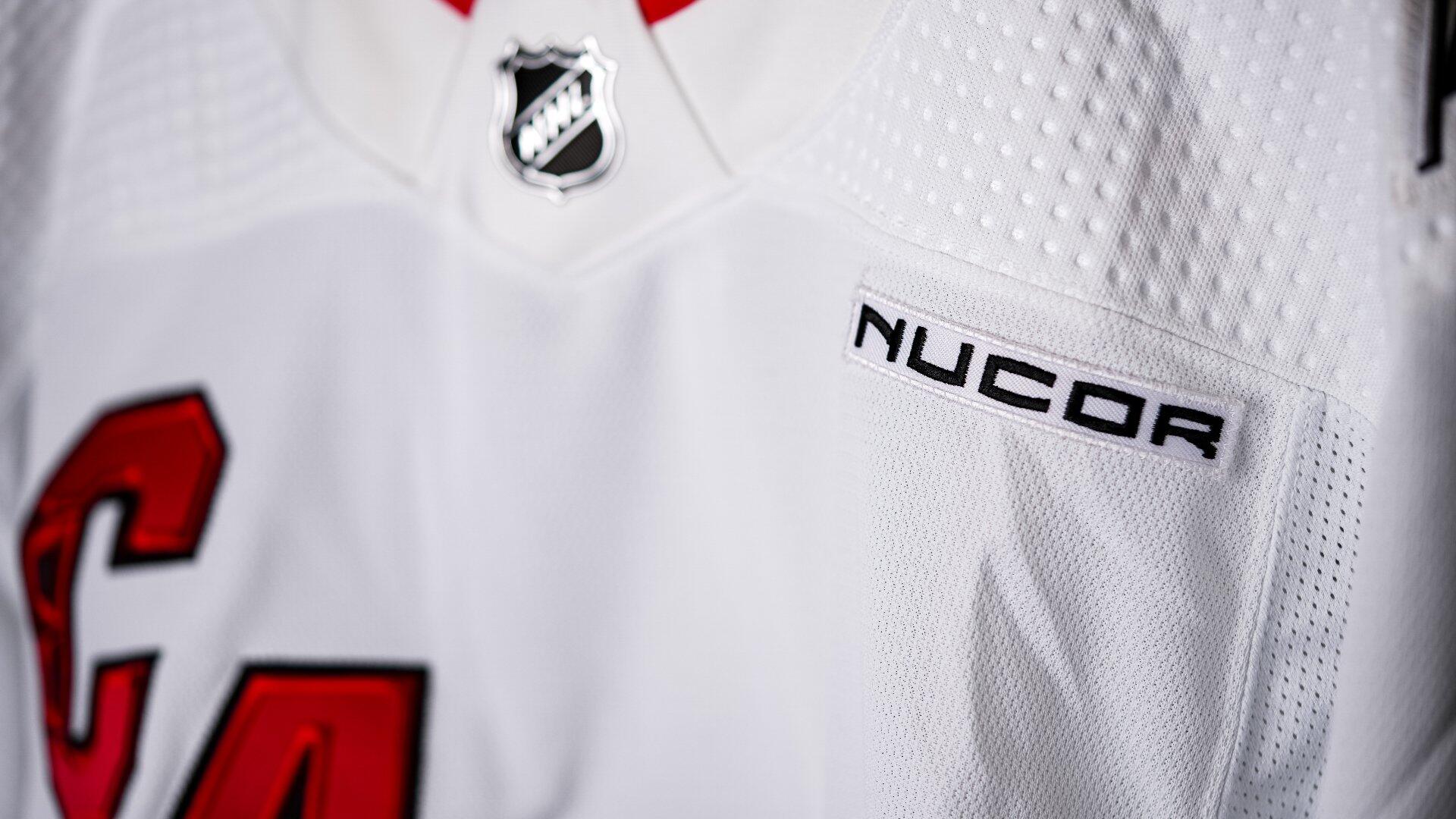
Image Sourced from OSU Press Release
The NCAA doesn’t officially allow commercial jersey patches until August 1, but the market has already arrived.
In just a few months, Arkansas, LSU, Ohio State, and Notre Dame have announced four of the most significant sponsorship agreements in college athletics—each centered around one of the newest pieces of commercial inventory in sports.
What began with early adopters has quickly become one of the fastest-moving developments in college sponsorship. Together, these partnerships illustrate how athletic departments are creating a new premium asset while giving brands a highly visible platform to connect with fans, athletes, and university communities.
The latest examples, which set a new high-water mark, come from Notre Dame and Ohio State.
The Fighting Irish announced a partnership with SoFi that makes the financial services company the official financial services partner of Notre Dame Athletics and the first jersey patch sponsor in the history of Notre Dame football. Just days earlier, Ohio State announced a jersey patch partnership with JPMorgan Chase spanning all 36 varsity sports.
Combined, the two agreements establish a new benchmark for what the country’s most valuable athletic brands can command. Across North American team sports, both the Ohio State and Notre Dame partnerships rank among the:
- Top 25 sponsorship deals
- Top 15 financial services sponsorships
- Top 10 jersey patch sponsorships
A Timeline That Shows How Quickly the Market Is Developing
The recent announcements from Ohio State and Notre Dame didn’t happen in isolation—they’re the latest milestones in a market that has taken shape remarkably quickly.
Earlier this year, Arkansas became one of the first Power 4 programs to announce a jersey patch partnership, teaming up with Tyson Foods in a deal that demonstrated brands were ready to invest in this new inventory. LSU followed with a department-wide partnership with Woodside Energy, expanding the concept beyond a single flagship team and showing how athletic departments could package jersey patches across an entire sports portfolio. Now, Ohio State and Notre Dame have reset expectations.
With reported annual values approaching $20 million, these partnerships establish a new tier for elite college athletic brands while reinforcing the commercial value of jersey patches across Division I. The progression tells a compelling story. Arkansas introduced the opportunity. LSU expanded the model. Ohio State and Notre Dame have now established the premium end of the market.
Based on SponsorUnited data, here is a tiered breakdown of where schools may fall. Schools with nationwide reach can be much higher than the Tier 1 max.
Why Financial Services Is Leading the Category
It’s no coincidence that the two biggest jersey patch announcements to date both come from financial services brands. For JPMorgan Chase and SoFi, the opportunity extends well beyond placing a logo on a uniform.
Ohio State’s partnership stewarded by Learfield, includes financial education programming to help student-athletes navigate budgeting, saving, investing, credit, and the financial realities of NIL and revenue sharing. Notre Dame’s agreement, spearheaded via a joint venture by Legends Global and JMI Sports, positions SoFi as the university’s official financial services partner while connecting the brand with one of the most recognizable properties in college sports.
For both brands, the partnership aligns directly with their core business.
As college athletes begin managing endorsement income, revenue-sharing payments, and long-term financial decisions earlier than ever, financial institutions have an opportunity to provide meaningful resources while building relationships with consumers at an important stage of their financial journey.
It’s an example of how the strongest sponsorships increasingly combine premium visibility with authentic brand relevance.
Why Jersey Patches Matter
SponsorUnited’s research shows that jersey patches have already become one of the most valuable sponsorship assets in professional sports.
Across the six major U.S. professional leagues, primary jersey patch partnerships account for more than $828 million in annual brand investment, making them one of the industry’s premier sponsorship assets.
College athletics is now creating its own version of that marketplace.
Unlike professional franchises, Power 4 athletic departments offer brands a unique combination of nationally recognized programs, passionate alumni bases, regional influence, and year-round visibility across multiple sports.
A department-wide jersey patch can appear across football, basketball, baseball, softball, volleyball, and dozens of additional varsity programs, creating a level of exposure that extends far beyond a single season or team.
For brands looking to build long-term relationships with college sports fans, it’s one of the most compelling new assets to emerge in years.
What Brand Marketers Should Watch Next
The first wave of jersey patch agreements is establishing the benchmarks that will shape the market moving forward.
As more athletic departments evaluate jersey patches, brands will have increasing opportunities to enter the category at different levels of investment. Some partnerships will focus on department-wide visibility, while others will center on a single flagship program or a regional activation strategy.
The schools moving first are helping define pricing, packaging, and partnership structure.
The brands moving first are helping define what successful activation looks like.
The jersey patch itself may be the most visible element of these agreements, but the long-term value will come from how brands use the platform around it—whether that’s financial education, exclusive fan experiences, athlete storytelling, hospitality, or other activations that strengthen the connection between the brand and the university community.
Though the NCAA’s jersey patch rule doesn’t officially take effect until August 1, the marketplace, however, is already well underway.

.png)
.png)
.png)
.png)
.png)
.png)
%20(2).png)
.png)
.png)
.png)
.png)
.png)
.png)
%20(1).png)
.png)
.png)
.png)
.png)

.png)
.png)
%20(1).png)

.png)
.png)
.png)
.png)
.png)
.png)
.png)
.png)
.png)
.png)





.png)





















.jpg)