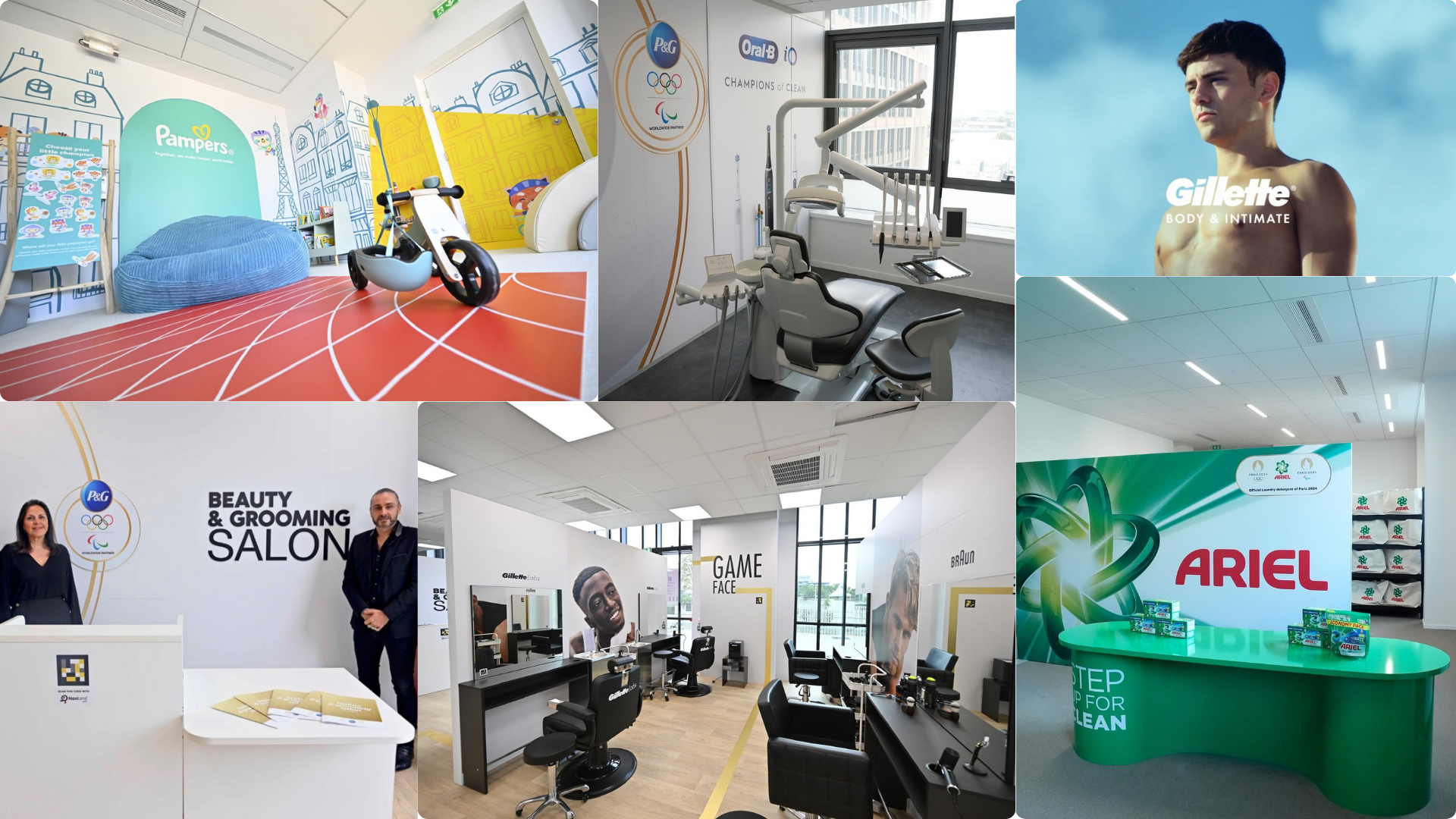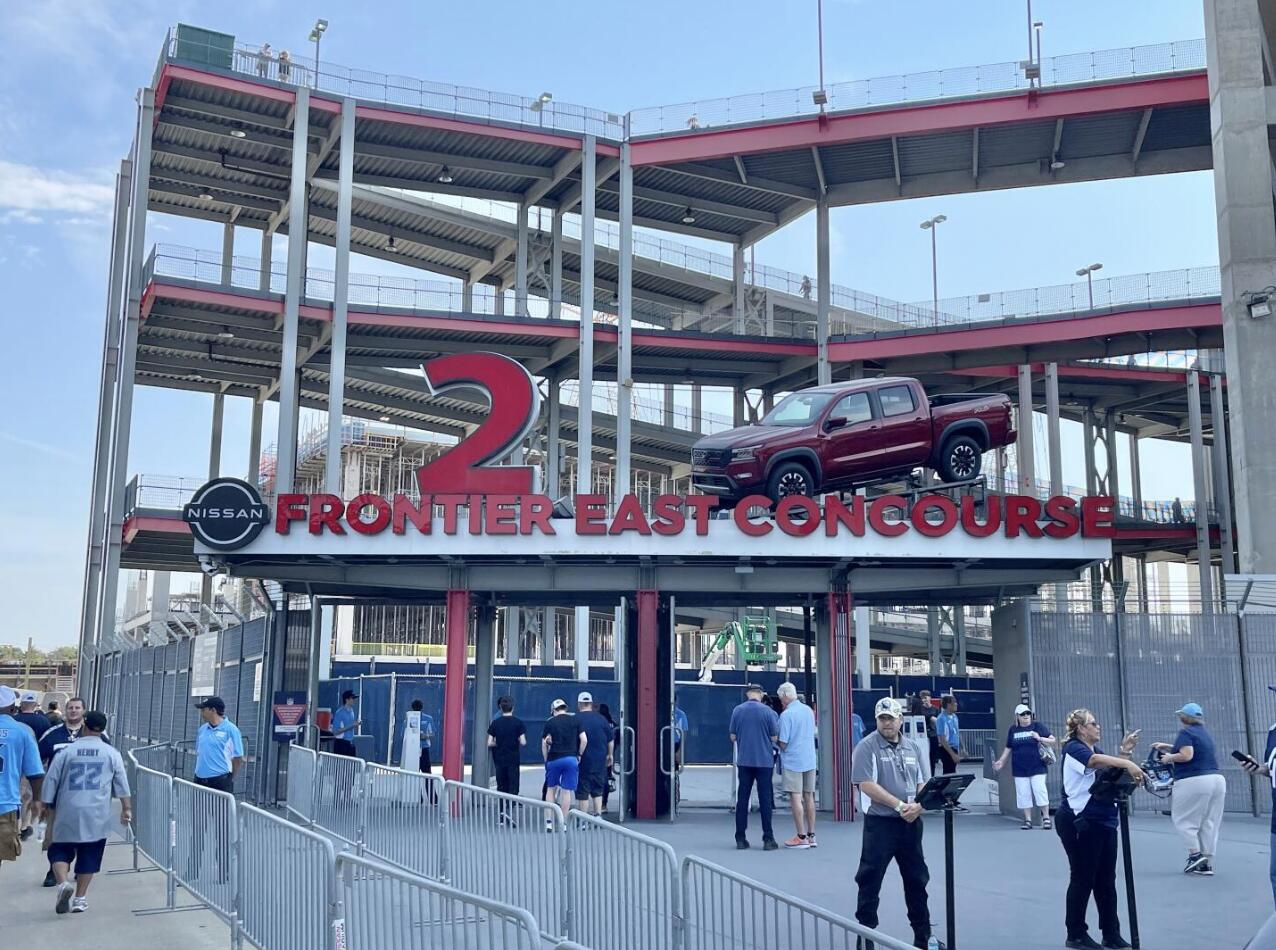
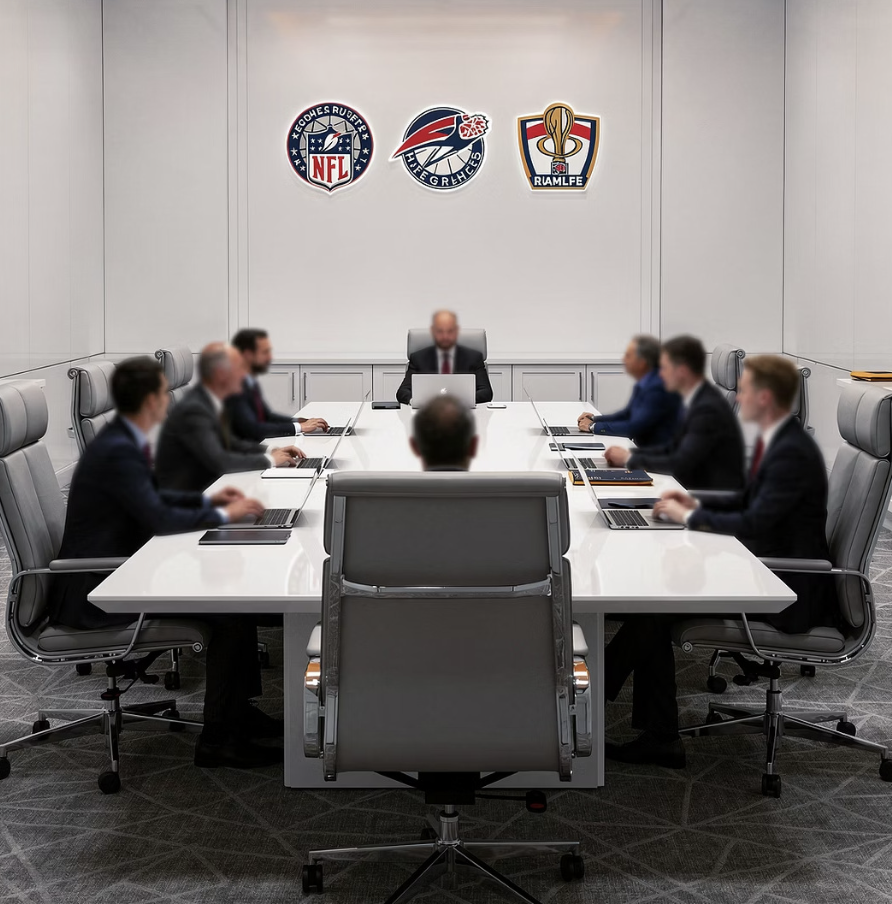
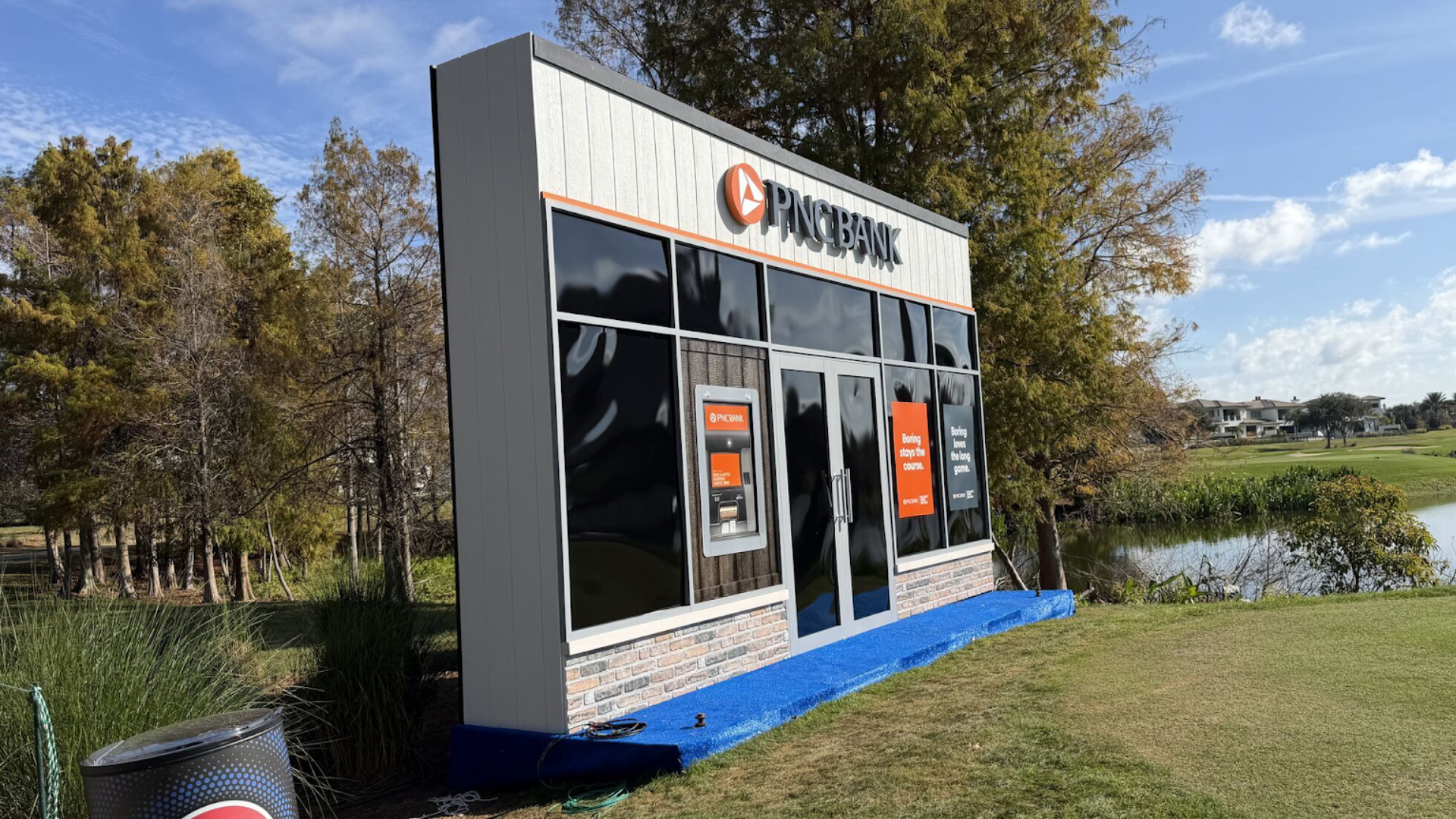
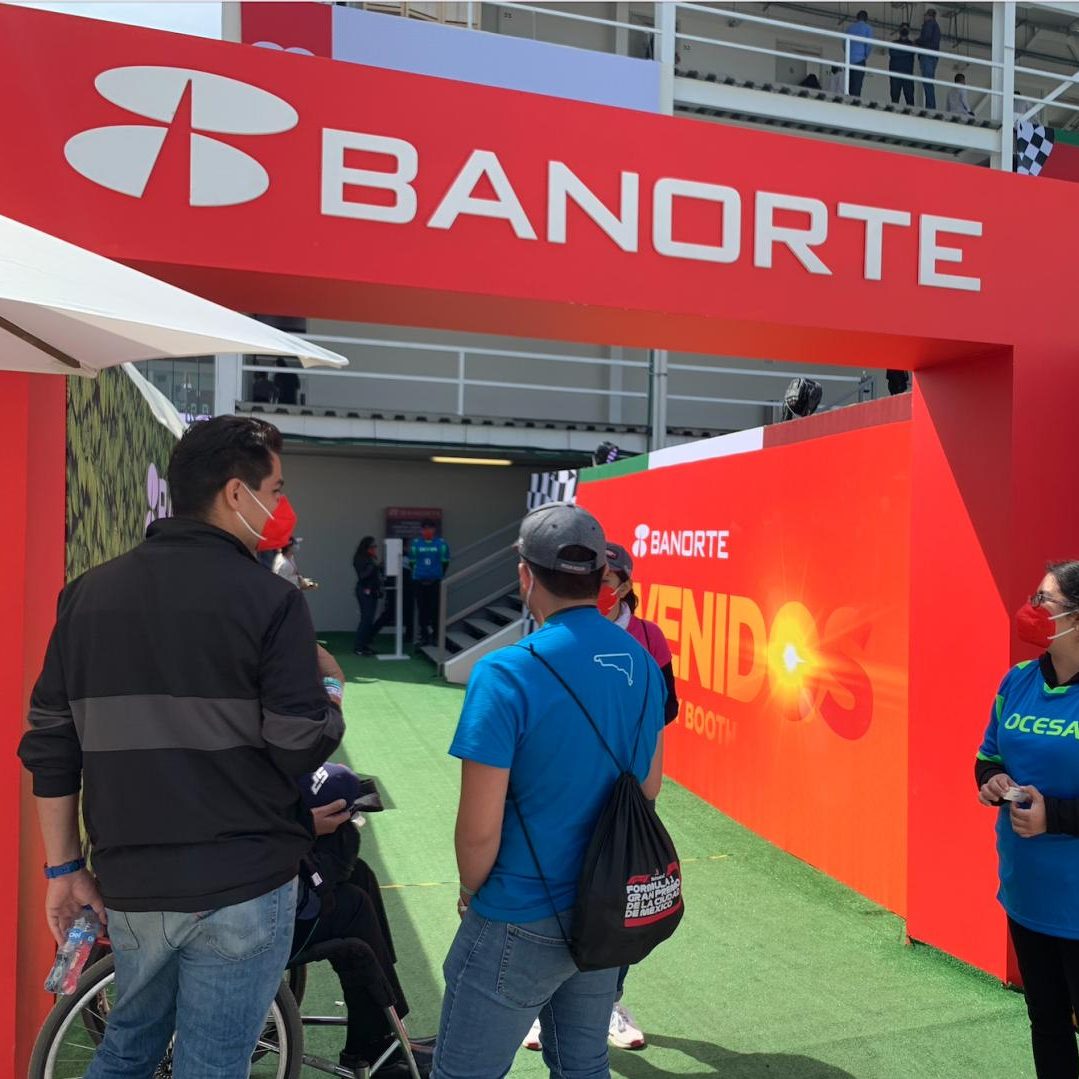
Entryway and gate naming rights are rapidly emerging as one of the most strategic assets in sports sponsorship. Once treated as supplemental signage, these assets are now being positioned as long-term brand infrastructure—delivering unmatched visibility, consistency, and fan engagement at the precise moment the fan journey begins.
Today, $483 million is already invested in entryway and gate naming rights across major U.S. professional leagues, with total spend projected to exceed $560 million within the next five years. Looking ahead to 2030, the category is expected to grow 15–20%, with top-tier assets in the MLB, NFL, NBA, and NHL reaching $12–$15 million annually. This growth reflects a broader shift in sponsorship strategy: brands are prioritizing permanent, high-impact placements over short-term media and rotational assets.
Why Entryway and Gate Naming Rights Are Gaining Value
From an executive standpoint, entryway naming rights offer three advantages that few other sponsorship assets can match: prominence, permanence, and predictability. Every fan enters through a gate, creating unavoidable exposure and consistent brand association across seasons. As venues modernize and teams invest in arrival experiences, the entryway has become a high-traffic brand moment rather than a pass-through space.
Structural changes across sports are accelerating this trend. Women's sports are poised to drive the next wave of growth as more teams transition into team-controlled venues, unlocking new naming rights inventory that has historically been limited. At the same time, several consumer categories—including retail, restaurants, transportation, and food and beverage distribution—remain underrepresented in gate deals despite being naturally aligned with high-volume, mass-awareness environments. As inventory expands, category diversification is likely to follow.
Gates Are Becoming Measurable Brand Experience Platforms
The future value of entryway naming rights extends beyond visibility. By 2030, 50% of new entryway and gate deals are expected to include digital infrastructure and measurable engagement KPIs. Gates are evolving into tech-enabled experience hubs, supporting mobile check-in, loyalty enrollment, digital content, data capture, and real-time fan interaction.
This shift allows brands to move beyond impressions and toward performance-based sponsorship outcomes, aligning entryway investments with broader marketing, CRM, and customer acquisition strategies. As a result, entryway assets are increasingly evaluated alongside owned media and experiential channels, not just sponsorship line items.
What Brands Should Do Next
For brands evaluating future sponsorship investments, the implications are clear:
First, prioritize entryway and gate assets in long-term partnership discussions, especially in venues with high attendance and year-round programming. Securing these assets early can lock in premium placement before pricing escalates further.
Second, evaluate entryway deals as infrastructure investments, not short-term media buys. Brands should assess how gates can integrate with digital strategy, data capture, loyalty programs, and on-site experiences to drive measurable value over time.
Finally, act ahead of category crowding. As more consumer brands recognize the scale and permanence of entryway exposure, competition for inventory will intensify. Early movers—particularly in underrepresented categories—have the opportunity to define the space rather than follow it.
As sponsorship dollars continue shifting toward assets that deliver both scale and substance, entryway and gate naming rights stand out as one of the clearest indicators of where the industry is headed. The future of sponsorship doesn't start inside the venue, it starts at the front door.
.png)
.png)
.png)
.png)
.png)
.png)
%20(2).png)
.png)
.png)
.png)
.png)
.png)
.png)
%20(1).png)
.png)
.png)
.png)
.png)
.png)

.png)
.png)
%20(1).png)



.png)
.png)
.png)
.png)
.png)

.png)
.png)
.png)
.png)
.png)






.png)






























.jpg)