.png)
Get In-Depth Data to Fuel Your Strategy
Thirty years is a long time in any business. In sports sponsorship, it's an institution. So when Visa did not renew its deal before the renewal window expired, the payments category was claimed by American Express in a deal reported at nearly $1 billion over seven years — it wasn't just a contract change. It was a signal.
What does this tell us about where sponsorship strategy is heading? We see a brand that could prove, with data, that its audience was already in the building.
Visa: 30 Years, 29 Assets, and a Category Handoff
Visa has been an NFL corporate sponsor since 1995 and the league's second most-tenured partner after Gatorade. Across the 2025 season, which is now Visa’s last, SponsorUnited tracked 29 assets across the partnership. This included signage spanning interior and exterior grounds, TV-visible rotating digital placements, social media integrations, digital media, venue activations including naming rights and payment services, and official sponsor status with full use of marks.
That is a mature, deeply embedded portfolio. The kind that takes years to build and requires a serious operational lift to take over. Amex inherited an entire sponsorship infrastructure.
Why Amex Wanted In
Amex entered this negotiation with a clear thesis: nearly 80% of its U.S. consumer cardholders identify as sports fans. The NFL's fanbase skews high-income and high-spend — precisely the demographic that defines Amex's core membership. This wasn't a brand chasing reach. It was a brand that could prove, with sponsorship and demographic intelligence, that its audience was already in the building.
That distinction matters. A lot of brands enter sponsorship conversations anchored to CPM and impression counts. Amex anchored to audience fit. The NFL, in turn, didn't just gain a payments partner — it gained a brand with an explicit strategy for converting fan access into cardmember value, from presale ticket perks to on-site Card Member lounges at the Draft and Super Bowl.
The Asset Footprint Amex Is Stepping Into
Taking on 29 assets across six categories — as tracked by SponsorUnited in the 2025 NFL season — is not a passive exercise. Each asset requires creative, activation planning, measurement, and renewal strategy. The Visa portfolio included:
- 10 signage placements across interior grounds, lower bowl, concourse, and TV-visible rotating digital boards
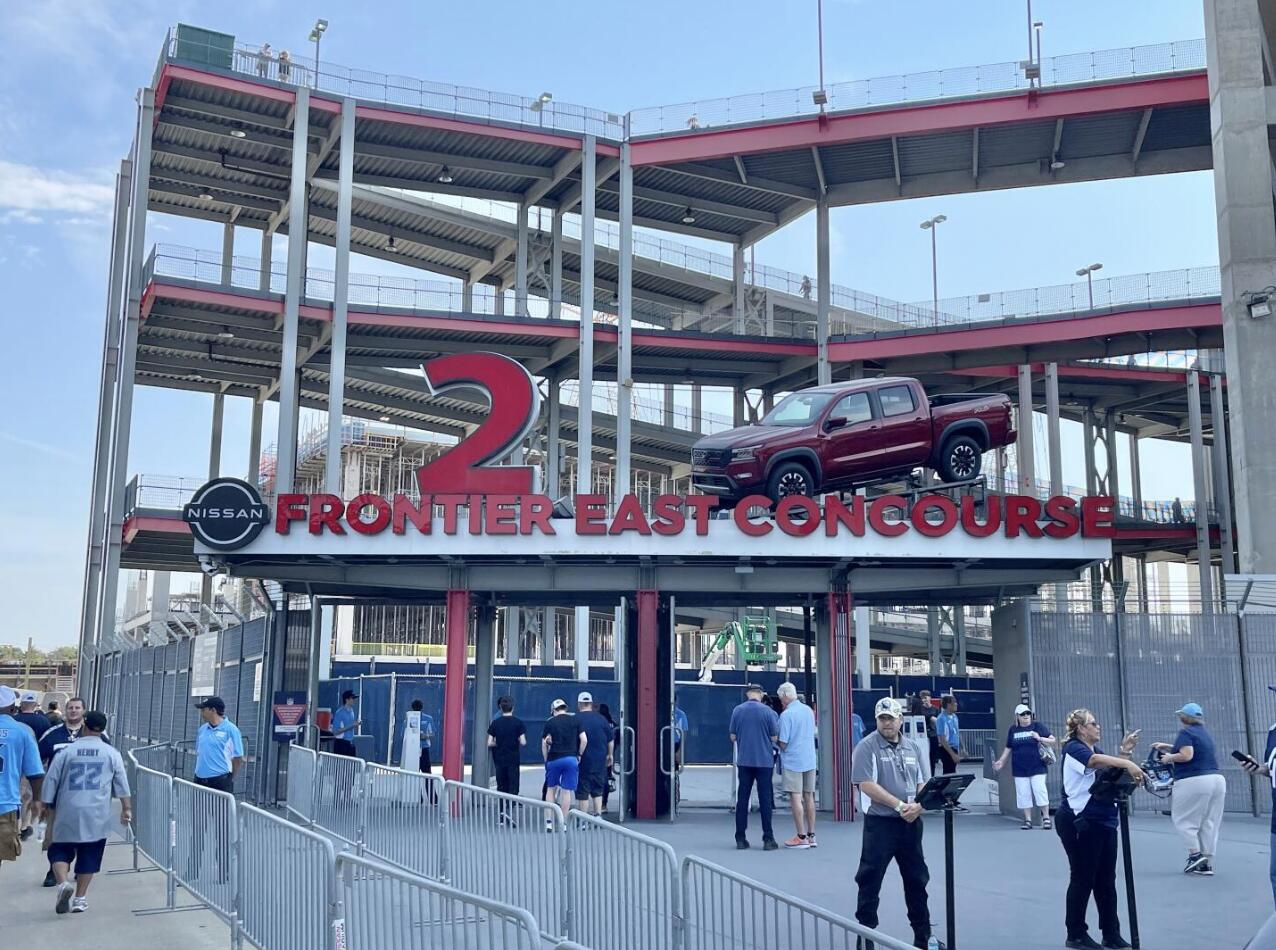
- 6 venue and events assets including retail naming rights, a pop-up store, RFID payment integration, and sponsored attendee activations
- 4 property rights assets including official sponsor status, sweepstakes rights, and CSR integration
- 4 social media placements across Facebook, Instagram, and X
- 2 digital media placements including website logo and banner ads
- 2 broadcast media assets including sponsored content and full-page print
Each of those placements represents a negotiated commitment — a line item that will now carry the Amex brand instead of Visa's. The transition alone is a significant undertaking, and how Amex activates across this footprint in year one will set the tone for the rest of the deal.
What This Means for the Broader Market
Thirty years at the top of any sponsorship portfolio is a remarkable run. Strategies evolve. Categories get reassessed. What's more instructive is what Amex's entry strategy reveals about how sophisticated brands are approaching major league partnerships right now.
First, data-based audience precision is becoming the primary buying criterion. Broad reach still matters, but brands that can demonstrate tight audience alignment — not just 'sports fans' but the specific income, spending behavior, and lifestyle profile that matches their customer — are winning the highest-value properties.
Second, partnerships are increasingly built around transactional integration, not just visibility. Amex isn't plastering its logo on a jumbotron and calling it a day. The NFL Extra Points Amex credit card, presale access, Card Member lounges — these are mechanisms designed to make fandom commercially actionable. Sponsorship as a product feature, not a marketing expense.
Third, category tenure isn't a moat. Visa's 30-year run offered stability and deep institutional knowledge. It wasn't enough. Every long-standing sponsorship relationship should be asking whether its renewal case is being built on historical comfort or on a forward-looking strategic argument.
The Bottom Line
The Visa–Amex handoff at the NFL is a standout example of what happens when sponsorship intelligence — not inertia — drives the outcome. One brand exits after a long and successful run. Another enters with a documented audience thesis, a plan to activate across a 29-asset portfolio (per SponsorUnited’s 2025 season tracking), and a product roadmap tied directly to the partnership.
That's what happens when sponsorship intelligence drives the deal, not the other way around.
.png)
.png)
.png)
.png)
%20(2).png)
.png)
.png)
.png)
.png)
.png)
.png)
%20(1).png)
.png)
.png)
.png)
.png)
.png)

.png)
.png)
%20(1).png)


.png)
.png)
.png)
.png)

.png)
.png)
.png)
.png)
.png)






.png)

























.jpg)