.png)
Get In-Depth Data to Fuel Your Strategy
Two things are true at the same time in the alcohol sponsorship category right now.
Consumption is down. Sponsorship spend is up.
Alcohol category sponsorship spend in major leagues climbed to roughly $882M, a +9.7% jump over the prior season. Total active deals reached 2,199, up 4% year-over-year. AB InBev alone is at ~$218M. Molson Coors is at ~$143M. Constellation, Diageo, and Heineken are each over $39M. Brands aren't pulling out of sports — they're spending more, signing more, and committing longer.
And yet alcohol consumption per capita continues to slip, the "sober curious" cohort keeps growing, and every CMO in the category is being asked the same question: If fewer people are drinking, why are we spending more on sponsorship?
The answer isn't to spend less. It's to spend where the asset still works when consumption pressure is real — and that's the asset brands should consider pursuing, if they don’t already have a foothold: bar, deck, club, and restaurant naming rights inside the venue.
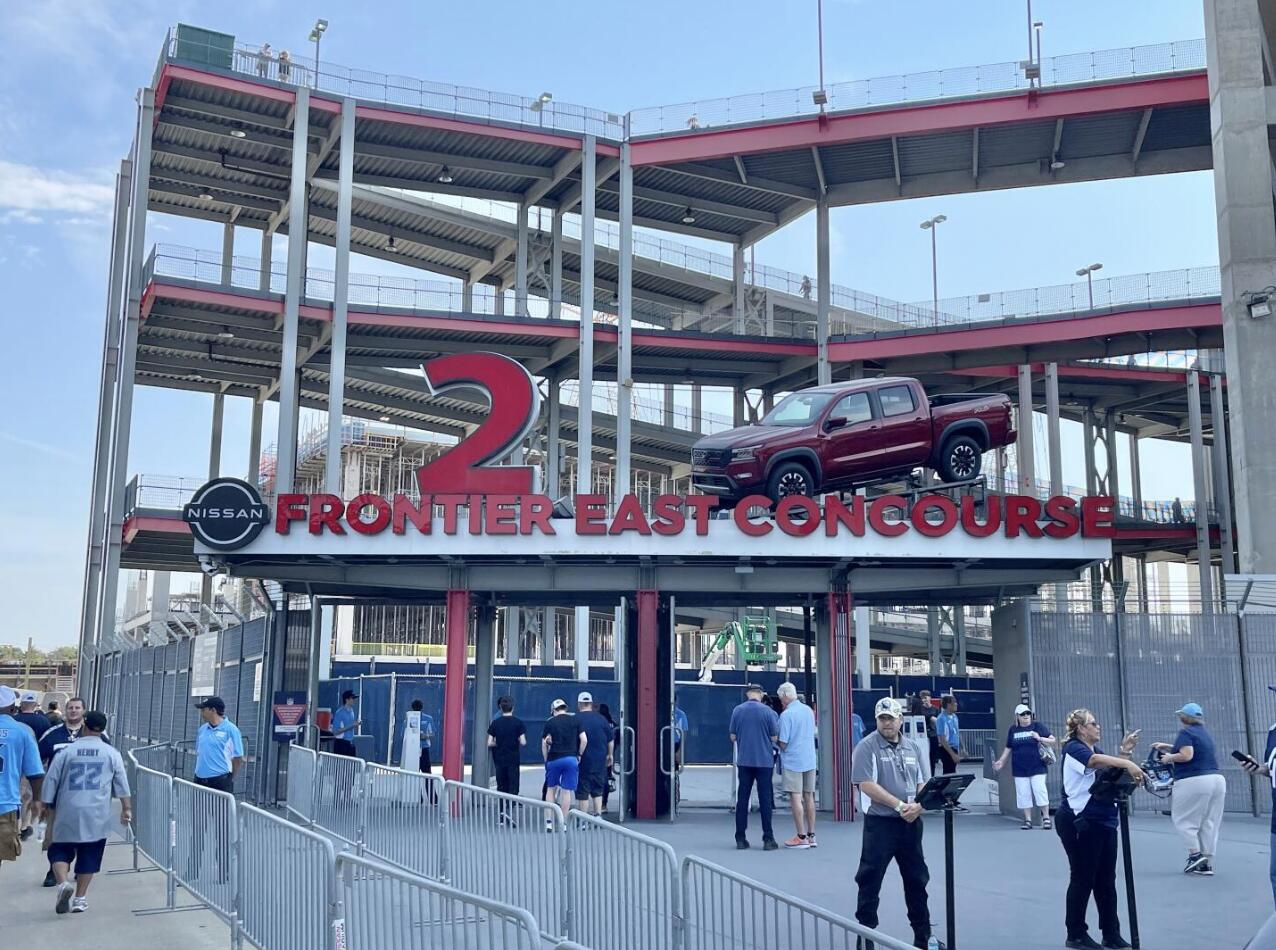
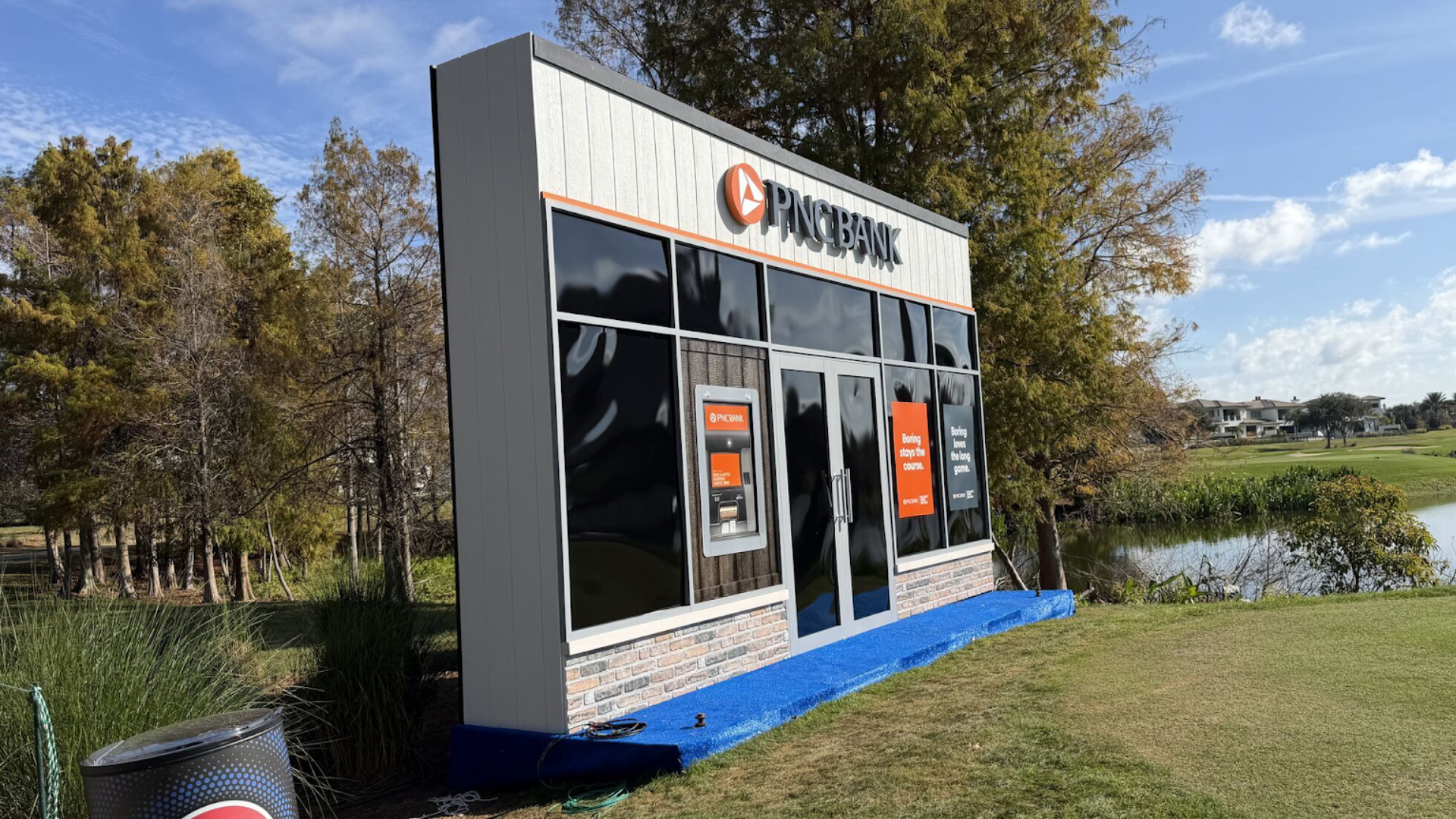
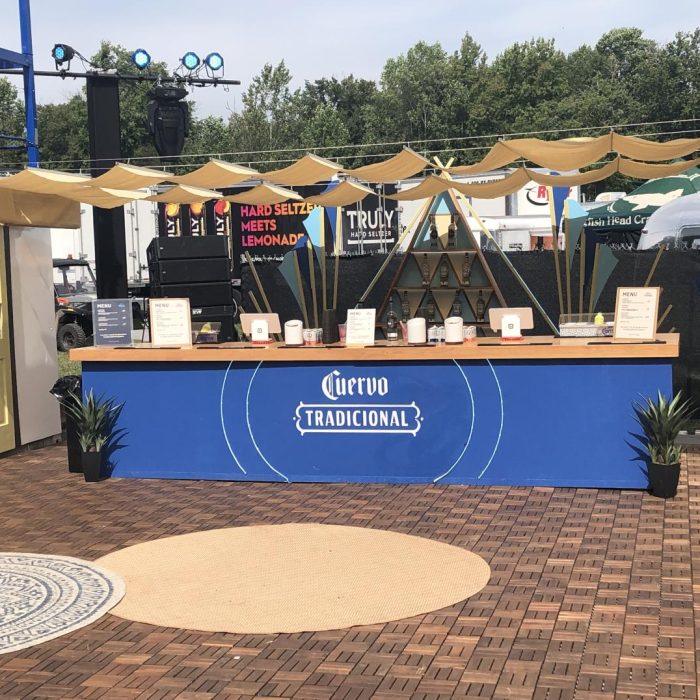
This is the placement that puts a brand name on the actual fixture where the consumer chooses what to drink. It's experiential, it's physical, it shows up in every broadcast cutaway, and it captures the attention of the highly engaged target audience at point of purchase. Even though fewer people are drinking, the consumers who do still drink are spending more on premium occasions, and the in-venue bar is the highest-margin premium occasion in sports.
But the math of this asset isn't the same in every league. Across the 10 major leagues SponsorUnited tracks for this asset class in the alcohol category, 380 deals currently have bar/deck/club/restaurant naming rights as the top asset of the brand’s sponsorship — and the price, availability, and competitive pressure look very different from one league to the next.
Below we share a look at the stats and the opportunity in each league that we track.
The Bar Naming Rights Landscape
Here's how the average deal size for the alcohol category looks across bar naming rights within the major leagues. NFL and MLB benchmarks are open below — the rest is reserved for the full briefing.
Methodology: figures cover deals where bar/deck/club/restaurant naming rights is the top asset of the alcohol brand's sponsorship. "% Open" = share of teams in the league with no alcohol brand currently holding this asset. Teams can sell multiple bar/deck/club naming rights to different alcohol brands.
Source: SponsorUnited Major Deals module. Latest available season per league. Full benchmarks include deal counts, alcohol-category open availability by team across each league, and average deal size for the leagues blurred above — available on request.
NFL: The Premium Standard
Avg deal: $1.70M
Deals: 58
% of teams without an alcohol club, deck or bar naming rights deal: 6%
The NFL bar naming rights market for alcohol brands is effectively claimed at the team level. Only 6% of teams currently have no alcohol brand having a bar/deck/club/restaurant naming right — meaning if your brand doesn't already have a foothold somewhere in the league, the universe of teams without one is small and shrinking. The brands that claimed this asset early aren't just renewing; they're building multi-million-dollar partnerships around it.
What this means: If your brand doesn't already own a bar/deck/club deal in the NFL, the play here isn't acquisition — it's monitoring renewal cycles and the small handful of teams still without an alcohol deal. If you do own one, the renewal conversation is your single most important meeting of the year.
MLB: Where the Asset Lives OR The Most Active Market
Avg deal: $922K
Deals: 94
% of teams without an alcohol club, deck or bar naming rights deal: 10%
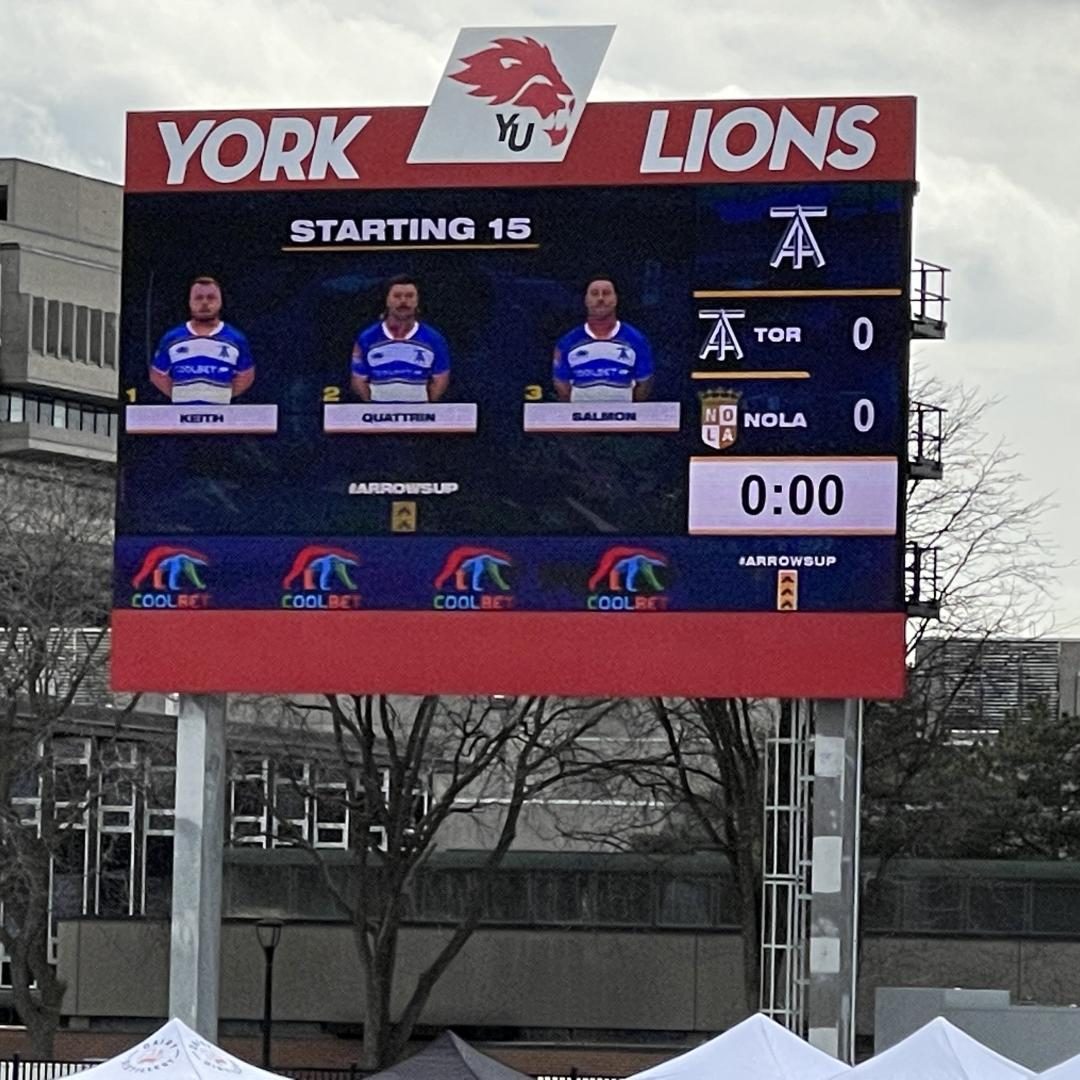
MLB still has a small pool of teams with no alcohol brand having a bar/deck/club naming right — at a price that's roughly half what the NFL commands. The big news here is the AB InBev × MLB extension through 2032 — one of the most significant renewals in sports sponsorship history, and a clear signal that the league's premium alcohol inventory is being locked up for the long haul. Brands in MLB average ~$1.9M per brand across the league.
What this means: MLB is the last major league where an alcohol brand can still realistically claim a flagship bar/deck/club deal at a team that doesn’t already have one. Once 2026 renewals cycle through, that 10% may look more like the NFL's 6%.
NBA & NHL: Where Spirits Live
Avg deal sizes and deal counts:
% of teams without an alcohol club, deck or bar naming rights deal:
NBA 20%
NHL 9%
*The 10 shared NBA and NHL venues add a layer of complexity to which assets are available and which partners control them.
This is where the category mix tells a different story than every other league. In the NFL and MLB, beer accounts for roughly 70% of bar and deck naming rights deals. In the NBA and NHL, spirits brands have climbed to over 40% of deals in both leagues — the only major US pro leagues where the two categories approach parity. The NBA still has 20% of teams with no alcohol anchor, the highest open rate of any top-tier US pro league, and the deals that do exist are actively rotating. Modelo Especial holds bar naming rights across the Clippers, Mavericks, Warriors, Nets, and more. Lunazul (Heaven Hill) just expanded from 1 to 4 NBA team deals. Alcohol rands in the NBA average ~$1.2M per brand across the league.
What this means: for a spirits brand, this is the league pair where your category has broken through — and where the NBA's 20% open rate still leaves room to establish a foothold at the top-tier level. For beer brands, the competitive picture here is more contested than in the NFL or MLB. The NHL runs tighter at 9% open, but per-team deal economics are similar, and both leagues carry the most diverse brand mix in the asset class.
MLS & Power 4 College: The Forming Market
Avg deal sizes and deal counts:
% of teams without an alcohol club, deck or bar naming rights deal:
MLS: 33%
Power 4 college: 84%
MLS and Power 4 colleges sit in the same pricing tier, but they're forming for different reasons — and understanding the difference matters for how a brand should approach each.
In MLS, the market is active but still taking shape. Beer has established an early foothold — 81% of current deals are beer brands — but spirits are nearly absent despite being a natural fit for the venue-level bar experience MLS clubs are building. Only 3 spirits brands currently anchor a bar or deck naming right across the entire league. With a third of clubs still without an alcohol anchor and growing audience momentum heading into the FIFA World Cup 2026 cycle, MLS represents one of the clearest openings for a spirits brand looking to establish a presence before the category catches up.
Power 4 college tells a different story. The 84% open rate exists for a reason — college athletics has historically been more complicated for alcohol brands, with tighter guardrails around category visibility, campus alignment, responsible consumption, and how alcohol can show up inside venues. That complexity is real, and it's why the whitespace still exists. But the signals are shifting. The NCAA's recent March Madness expansion included new sponsorship opportunities for beer, wine, spirits, and hard seltzer — a tournament-specific opening, not a blanket NCAA-wide shift, but a meaningful signal that the category is becoming more commercially viable in college sports. Tito's Handmade Vodka at the Texas Longhorns is one of the early movers. Behind that, the field is largely open.
What this means: these aren't wide-open leagues in the way the foothold leagues are. MLS has a forming category that beer is currently winning by default. Power 4 has structural complexity that's beginning to ease. For brands willing to navigate both, the cost of entry is lower than any top-tier pro league — and the brands that move now will set the market before it matures.
WNBA, NWSL: The Momentum Leagues
Avg deal sizes and deal counts:
% of teams without an alcohol club, deck or bar naming rights deal:
WNBA 62%
NWSL 69%
*Shared venues and ownership structures between WNBA/NBA and NWSL/MLS teams can influence sponsorship availability across both leagues.
These leagues are the lowest-cost entry into bar/deck/club naming rights as a category, and the share of teams with no alcohol deal at all is the highest in the dataset. The WNBA is in a particularly interesting moment — record attendance, the Caitlin Clark effect, and the fastest-growing audience in US pro sports. Of the deals that do exist in the WNBA, *70% are spirits brands — the highest rate of any league in this analysis, and a signal that the category's most premium brands have already identified where the momentum is going. Hornitos Tequila is already active at the Phoenix Mercury alongside Jim Beam, Jameson, and Sire Spirits — making it the most spirits-dense venue in women's sports. Jameson has it in the NWSL.
What this means: For challenger brands or those building a multi-league portfolio strategy, this is where you plant flags. The deal economics make it possible to have a partnership across multiple properties for what a single NFL deal would cost.
*Can also be due to the WNBA's relationship with the NBA - where this same spike exists.
Premier League, Serie A & LaLiga: “A Different Set of Rules”
% of teams/properties with no alcohol deals: 90%+ availability in all leagues
The European picture here looks like white space, but it isn't — it's a cultural and regulatory story. Alcohol sales at sporting events are restricted or outright banned in many European countries, and a large share of clubs play in municipally-owned stadiums where the team doesn't control venue-level sponsorship inventory in the first place.
What this means: That combination is what's driving the 90%+ availability across the Premier League, Serie A, and LaLiga — not a lack of interest from alcohol brands or an untapped commercial opportunity in the same sense the US growth leagues offer.
Bottom line
Alcohol category sponsorship is growing while alcohol consumption is decreasing. That gap is the strategic problem every brand in the category has to solve over the next 12–24 months.
The brands solving it well aren't pulling out of sports. They're trading out the lower-ROI assets and consolidating around the placements that put their name in front of the consumer at the exact moment a drink decision happens. Bar, deck, club, and restaurant naming rights is the cleanest version of that placement on the board today — and the league-by-league benchmarks are the fastest way to figure out where you should be playing.
Want the full benchmark across every league? Reach out and we'll walk you through deal economics for the leagues blurred above, open availability by team across every major league, and where your brand fits against the current deals. SPND numbers are dynamic and change within each season.
.png)
.png)
.png)
.png)
%20(2).png)
.png)
.png)
.png)
.png)
.png)
.png)
%20(1).png)
.png)
.png)
.png)
.png)
.png)

.png)
%20(1).png)

.png)
.png)
.png)
.png)
.png)
.png)
.png)
.png)
.png)
.png)





.png)


















.jpg)