%20(1).png)
Get In-Depth Data to Fuel Your Strategy
The league's first four back-of-jersey partnerships show how quickly brands move when premium sponsorship inventory becomes available.
When Major League Soccer approved back-of-jersey sponsorships in February, it wasn't simply introducing another logo placement. It created 30 new premium sponsorship opportunities overnight—the first new jersey sponsorship asset since MLS introduced sleeve patches in 2020. For clubs, it unlocked a new revenue stream without changing the fan experience. For brands, it opened the door to one of the most visible assets in sports before the market had a chance to mature.
At the time of the announcement, every front-of-kit sponsorship across MLS had already been sold, averaging an estimated $5.1 million annually, according to SponsorUnited. With premium jersey inventory becoming increasingly scarce, SponsorUnited estimated the new back-of-jersey placements would command between $600,000 and $4.1 million annually, depending on a club's market, brand strength, and commercial profile.
Fast forward five months, and those projections are beginning to materialize.
The back-of-kit patches officially started appearing on players’ jerseys after the July 26 MLS All-Star Game. So far Inter Miami CF, LAFC, the San Jose Earthquakes, and the Houston Dynamo FC are the first clubs to activate the league's newest sponsorship asset. While the deals represent four different brands and partnership strategies, they all reinforce the same idea: when premium inventory becomes available, brands don't wait long to claim it.
Four Clubs, Four Different Approaches
One of the more interesting takeaways from the first wave of partnerships is that there isn't a single blueprint for success. Rather than one industry dominating the market, the inaugural sponsors represent four distinct approaches to using premium jersey inventory.
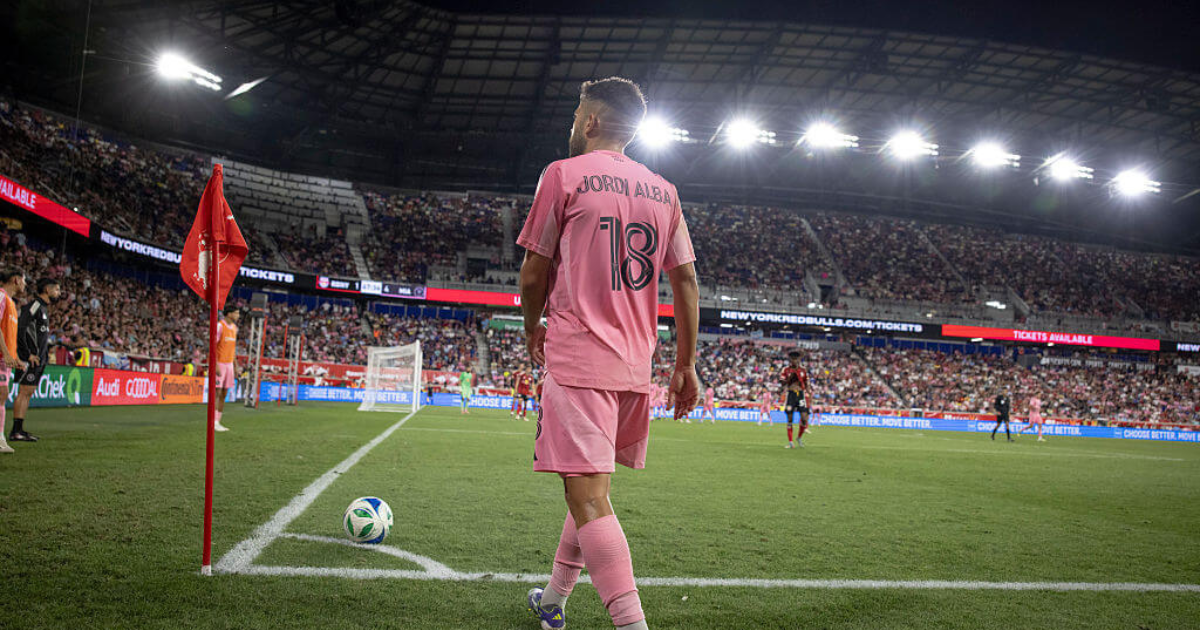
Inter Miami CF × Nubank arguably sets the benchmark. Nubank's partnership extends well beyond the back of the jersey, also including the naming rights to Nu Stadium and additional premium commercial assets. With Inter Miami becoming one of the most globally visible clubs in North America, the back-of-jersey placement serves as another touchpoint within a much broader commercial relationship.
LAFC × El Mexicano demonstrates the power of regional alignment. The Southern California food brand shares deep cultural ties with LAFC's fan base, and the partnership extends beyond jersey visibility through community initiatives, retail integration, and fan engagement. Rather than simply purchasing impressions, El Mexicano is using the sponsorship to strengthen its connection with local consumers.
San Jose Earthquakes × DUDE Wipes showcases how a jersey asset can become the centerpiece of a larger marketing campaign. In addition to the back-of-jersey placement, the partnership includes "Clean Sheets" promotions, community programming, and presenting sponsorship of the club's rivalry match against LAFC, turning the asset into a season-long activation platform.
Houston Dynamo FC × DUDE Wipes highlights another emerging trend: brands scaling successful partnerships across multiple clubs. After entering MLS with San Jose, DUDE Wipes quickly expanded into Houston with another back-of-jersey agreement that includes youth soccer initiatives, digital content, and in-stadium activation. It's an early example of how brands may begin building league-wide strategies around this new inventory.
Although the partnerships look different on the surface, they share a common thread. None of these brands are treating the back of the jersey as just another logo placement. They're using a new premium asset as the foundation for broader storytelling, community engagement, and long-term brand building.
A New Premium Asset With Meaningful Value
The introduction of back-of-jersey sponsorships reflects a broader trend across the sports industry. As premium sponsorship inventory becomes more competitive, leagues are finding thoughtful ways to create new commercial assets without fundamentally changing the fan experience.
SponsorUnited's projections illustrate why the opportunity is so compelling. With front-of-kit sponsorships averaging $5.1 million annually, back-of-jersey placements are expected to range from approximately $600,000 to more than $4.1 million per year, creating a premium entry point for brands while generating meaningful incremental revenue for clubs.
The asset itself is substantial—roughly 80% the size of a front-of-kit logo—offering consistent exposure across live broadcasts, social media, photography, and retail jerseys. For marketers, it represents an opportunity to secure premium jersey visibility at a lower investment than a front-of-kit entitlement while still becoming part of one of a club's most recognizable assets.
SponsorUnited's Pricing Model Shows Where the Market Is Headed
While none of the first four back-of-jersey partnerships disclosed financial terms, SponsorUnited's SPND platform provides a benchmark for what this new inventory is expected to command.
Based on brand equity, market size, and commercial activity, SponsorUnited segmented all 30 MLS clubs into five pricing tiers. The league's two highest-profile commercial properties—Inter Miami CF and LAFC—are projected to command between $2.7 million and $4.1 million annually for a back-of-jersey sponsorship, reflecting their global visibility, strong fan engagement, and premium sponsorship demand.
The next tier, which includes clubs such as Atlanta United, Austin FC, Charlotte FC, FC Cincinnati, Nashville SC, New York City FC, LA Galaxy, and St. Louis CITY SC, is projected to generate between $1.5 million and $2.8 million annually. The remaining 21 clubs are expected to range from approximately $600,000 to $2.0 million, depending on market size and commercial strength.
The projections highlight an important reality for marketers: while every club now has the same new inventory available, not every asset carries the same value. A back-of-jersey sponsorship with Inter Miami or LAFC delivers a vastly different commercial opportunity than the same placement with a smaller-market club, giving brands flexibility to find the right balance between investment and exposure.
The Market Is Just Getting Started
Six months ago, MLS created 30 new premium sponsorship opportunities. Today, four of those opportunities have officially taken the field, leaving the vast majority of the league's inventory still available.
For brand marketers, that's the real story. New sponsorship assets rarely remain unsold for long. The first four partnerships are beginning to establish pricing expectations, activation strategies, and category leaders, but there is still significant whitespace across the league.
As more clubs announce partners, today's early adopters won't simply be remembered as the first brands to place a logo on the back of an MLS jersey. They'll have helped define the value of one of the league's newest—and most promising—commercial assets.
%20(2).png)
.png)
.png)
.png)
.png)
.png)
.png)
.png)
.png)
.png)
.png)
.png)

.png)
.png)
%20(1).png)

.png)
.png)
.png)
.png)
.png)
.png)
.png)
.png)
.png)
.png)





.png)



















.jpg)


.png)
.png)