.png)
Get In-Depth Data to Fuel Your Strategy
OUTFRONT Media and the New York Jets just signed a five-year deal that could change how brands think about sports sponsorship inventory: some of the most valuable real estate is outside the stadium. Under the agreement, announced August 5, OUTFRONT becomes the exclusive out-of-home media partner for Jets sponsorships, extending brand campaigns from MetLife Stadium into the transit hubs, commuter routes, and neighborhoods where fans actually spend their gameday. It's a small structural shift with a big implication for how rights holders think about what they're selling—and how brands think about what they want to buy.
Sponsorship Inventory Is Leaving the Building
For most of the modern sponsorship era, a team's inventory had a hard boundary: the building. Jersey patches, stadium signage, naming rights, in-venue activations — all of it lived inside four walls and ended at the parking lot. Media value was calculated on broadcast exposure and in-venue impressions, and anything beyond that was someone else's business.
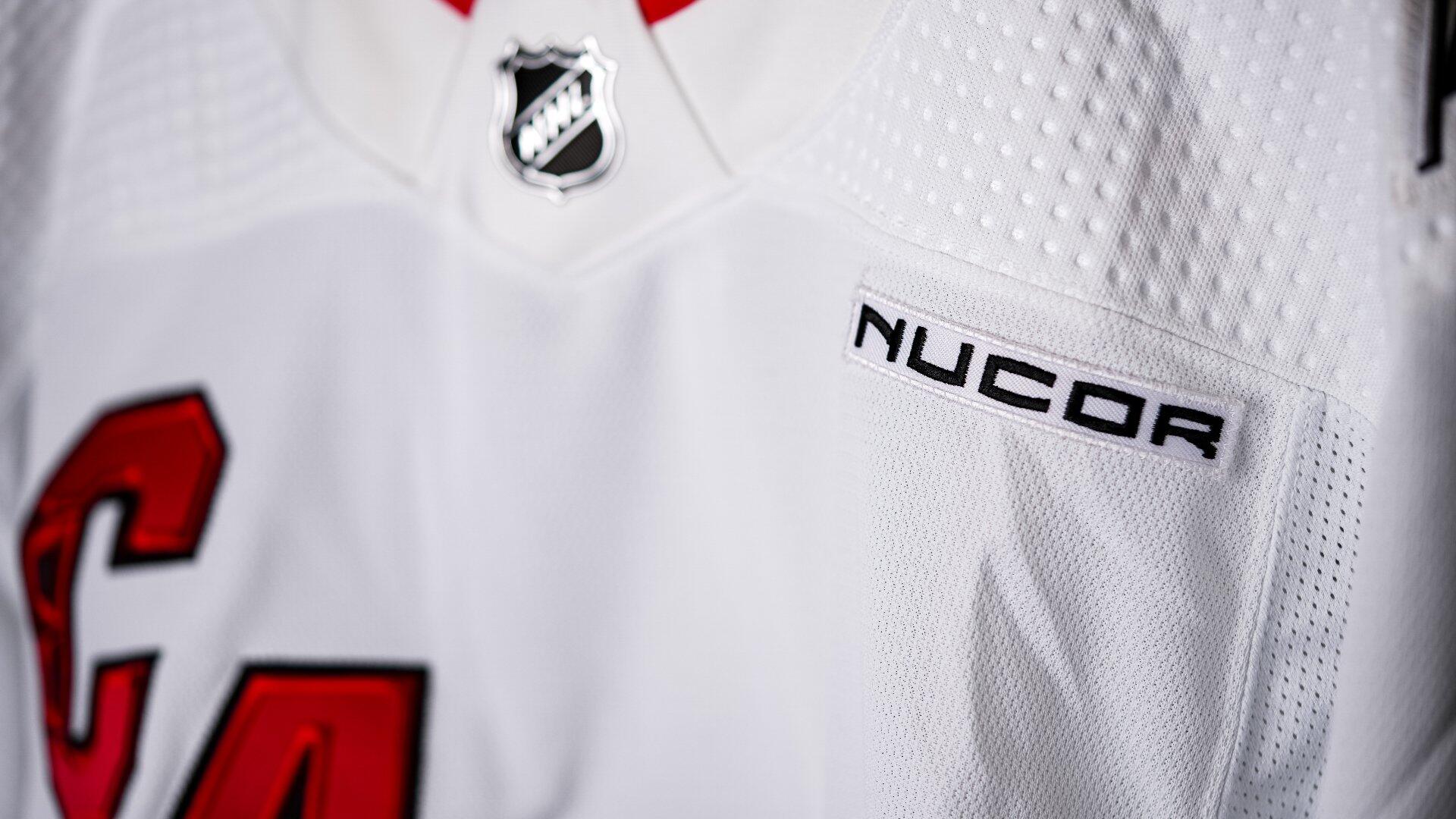
That boundary is dissolving. Rights holders are running out of new inventory to sell inside the stadium, and out-of-home media companies are sitting on exactly the kind of always-on, geographically distributed inventory that can extend a sponsorship's reach without diluting what a brand already owns in-venue. The Jets-OUTFRONT deal formalizes that connection: a sponsor buying into the Jets ecosystem no longer buys a single location and a single moment. They buy a corridor — stadium, transit, commuter routes, and the neighborhoods fans pass through before and after kickoff — with campaigns that can react in near real time to what's happening on the field.
It's worth being precise about which boundary is actually moving. Social and digital media already stretched a sponsorship's reach well past the physical building years ago — a jersey patch or a stadium activation travels the moment it hits a highlight clip or a brand's own channels. The boundary that stayed fixed was regional: in-stadium signage and on-site activation were the physical, location-bound inventory that could only reach whoever showed up in person, and that inventory had nowhere to go once the building was full. That's the boundary the Jets-OUTFRONT deal is dismantling. It's not extending a sponsorship online; it's extending the physical, in-person footprint from one building to an entire region.
This is a portfolio play dressed up as a media deal. OUTFRONTis positioning itself as the connective tissue between in-stadium sponsorship and the broader media footprint of the market the team plays in.
How the Jets-OUTFRONT Deal Actually Works
The mechanics are straightforward but the implications aren't. Under the five-year agreement, Jets advertiser partners get access to OUTFRONT's outdoor network across the New York/New Jersey market — digital billboards, transit media, and premium out-of-home placements — layered on top of whatever those brands already have in-stadium. The partnership launched with a "Back to Football" campaign event at Penn Station, hosted by former Jets linebacker Bart Scott, deliberately choosing a commuter hub over a stadium gate to make the point.
Sponsors also get access to OUTFRONT Studios, the company's in-house creative team, which can adapt existing campaign assets or build new work specifically for out-of-home formats. That matters because it removes the friction that usually keeps teams from bundling stadium and city-wide media together — a brand doesn't need a separate agency relationship to go from jersey patch to billboard.
The Jets already carry more than 100 active sponsors across their portfolio. That context matters here. A deal like this is most valuable to sponsors already active across multiple categories in the Jets' portfolio, since it gives them a way to extend an existing relationship rather than negotiate a new one — and with a roster that size, the number of brands positioned to take OUTFRONT up on that extension is substantial.
The Broader Market Signal
The Jets-OUTFRONT deal isn't happening in isolation. Programmatic digital out-of-home ad spend in the US is projected to reach $1.22 billion in 2026, growing 22.6% year over year — among the fastest-growing corners of the broader OOH market. That growth is being driven by exactly the capability OUTFRONT is building into the Jets deal: real-time creative that can respond to live sports moments, weather, or audience behavior, rather than static placements booked months in advance.
The global sports sponsorship market itself is on a similar trajectory, with continued high-single-digit growth expected through the end of the decade. As that spend grows, rights holders are under pressure to find new inventory that doesn't cannibalize existing categories — and out-of-home, transit, and city-wide media represent one of the few unclaimed frontiers left in major markets.
Why This Matters
Expect "official out-of-home partner" or similar designations to become a more common line item in team sponsorship decks over the next several seasons, particularly for franchises in dense metro markets where the daily commute already puts fans in contact with dozens of media touchpoints before they ever reach a turnstile. The Jets-OUTFRONT deal is a useful marker for how that plays out in practice: a rights holder extending its media footprint by partnering with a company that already owns the infrastructure, rather than building it in-house.
The open question is how quickly other teams follow, and whether the value proposition holds up outside markets with OUTFRONT's density of transit and billboard inventory. For teams in smaller media markets, the calculus may look different. But for organizations sitting in major metros with heavy commuter traffic, the stadium gate is looking less like a boundary and more like one stop on a much longer route.
.png)
.png)
%20(2).png)
.png)
.png)
.png)
.png)
.png)
%20(1).png)
.png)
.png)
.png)
.png)
.png)


.png)
.png)
%20(1).png)


.png)
.png)
.png)
.png)
.png)
.png)
.png)
.png)
.png)
.png)






.png)
























.jpg)


.png)