%20(2).png)
Get In-Depth Data to Fuel Your Strategy
Record prediction-market volume and FanDuel’s biggest NFL regular-season Sunday point to an opportunity to convert intense, event-driven participation into lasting fan relationships.
NFL Week 1 offered a real-time view of an expanding sports engagement economy—one in which fans watch, research, predict, transact, and socialize around the same live event.
Across eight leading prediction-market platforms, trading volume reached a record $3.17 billion on Saturday and another $3.12 billion on Sunday, according to a Jefferies analysis. Kalshi generated $4.89 billion across the two days, with NFL markets accounting for 39% of its Sunday volume. Polymarket recorded $404 million on Sunday, compared with its daily average of $532 million during the 2026 FIFA Men’s World Cup.
At the same time, FanDuel reported its biggest NFL regular-season Sunday ever by active users, establishing a new high for the FanDuel Sportsbook. The picks, rivalries, and group chats that define a football Sunday translated into measurable participation across multiple products and platforms.
Those results should not be reduced to a simple prediction-markets-versus-sportsbooks storyline. Trading volume measures market activity. Active users measure participation. Sponsorship investment measures something different: the depth of a brand’s commitment to a sports ecosystem. Viewed together, the three signals reveal where fan demand is building—and how brands are positioning themselves to capture it. And the season has just begun…
The NFL Is More Than Programming—It Is an Engagement Platform
Football’s commercial strength comes from repetition. Every week creates a new cycle of anticipation, research, conversation, and live reaction. That rhythm gives brands recurring opportunities to become part of fan behavior rather than simply appear alongside it.
FanDuel entered the season with new customer experiences including its Rewards Club, expanded Bet Protect+ coverage and additional game-intelligence tools. Each feature addresses a different part of the customer journey, from loyalty and product flexibility to research and in-game confidence. The record opening Sunday suggests that product innovation and the return of football can reinforce one another at significant scale.
The larger lesson is that the NFL now functions as an engagement platform in its own right. Its schedule creates appointment viewing; its statistics fuel analysis; its rivalries drive conversation; and its teams provide local identity. Sportsbooks, daily fantasy operators, and prediction markets may package participation differently, but they all benefit from the same underlying engine of fan attention.
Sponsorship Reveals Two Different Paths to Growth
SponsorUnited data shows that betting and daily fantasy brands have built a mature presence across the NFL, with more than 50 team deals representing nearly $80 million in estimated annual sponsorship spend. Prediction-market platforms, meanwhile, have assembled more than 200 sponsorships globally and surpassed $100 million in estimated spend, but have not yet established the same official partnership footprint within the NFL.
That is not simply a difference in deal count. It reflects two distinct stages of category development.
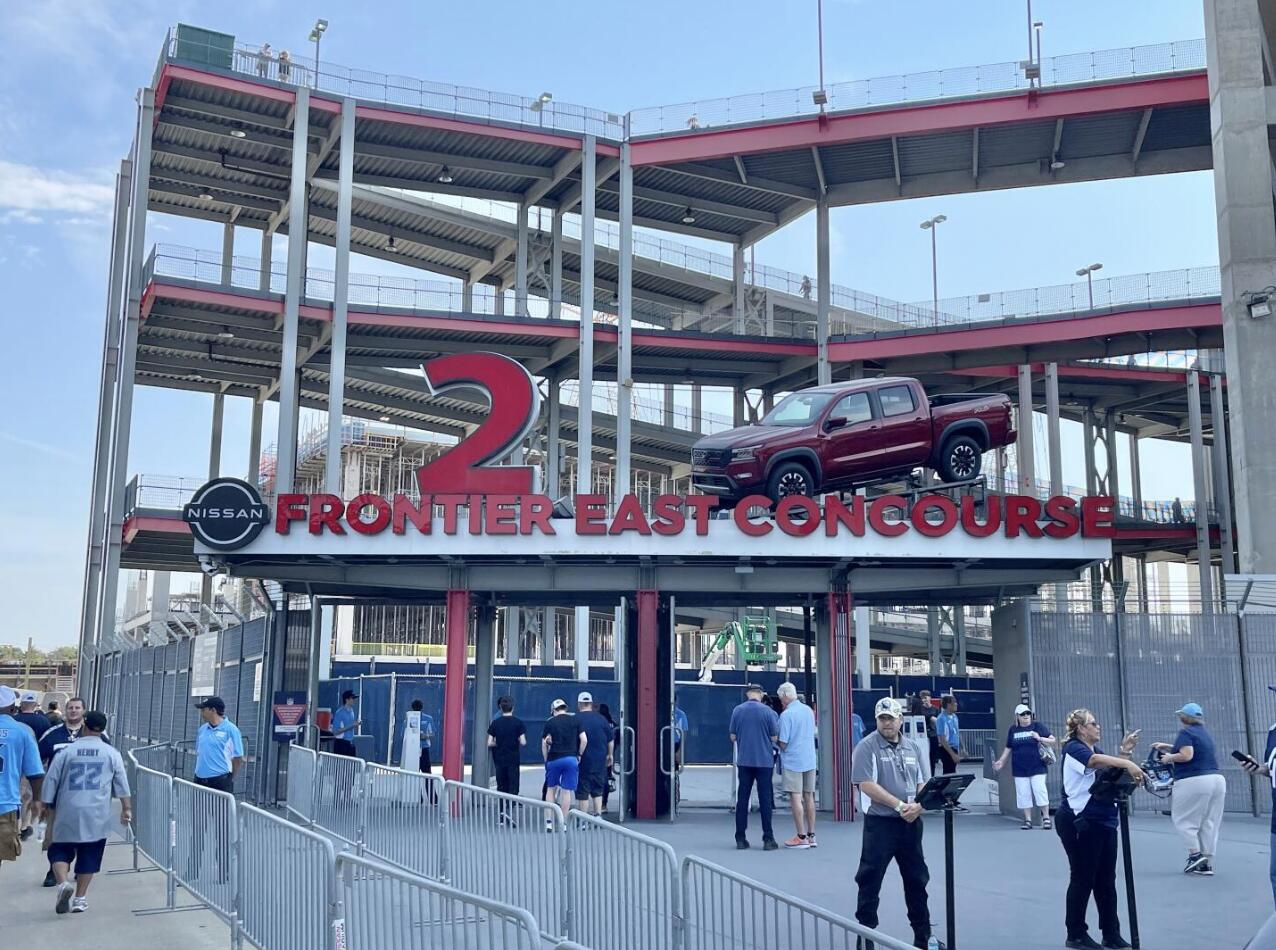
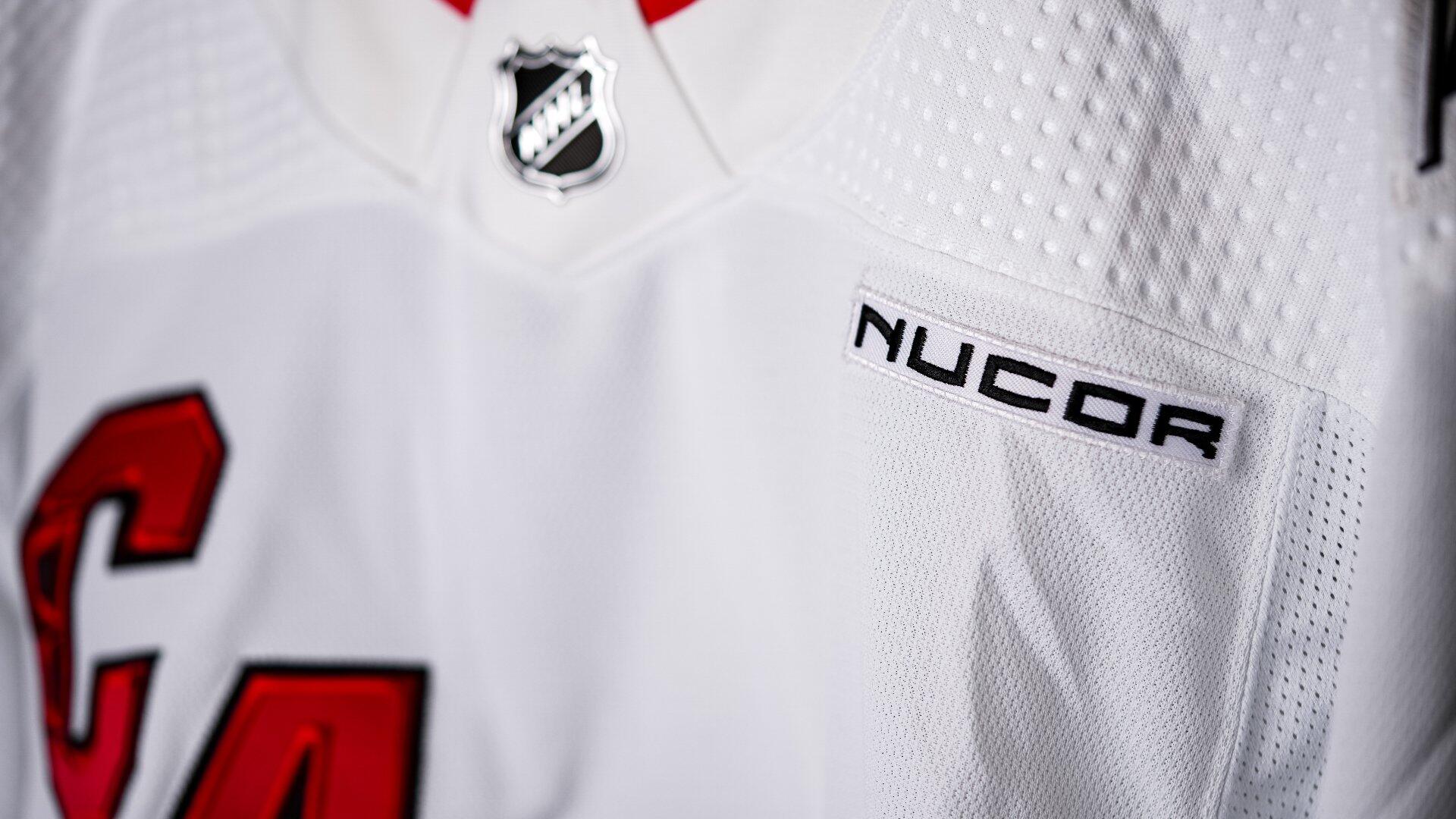
Established sportsbook brands are using team and league relationships to deepen familiarity inside an already valuable customer market. SponsorUnited tracks FanDuel partnerships with properties including the Buffalo Bills, Carolina Panthers, and New York Jets. DraftKings’ NFL portfolio includes relationships with the New England Patriots, Philadelphia Eagles and the NFL league office.
These partnerships can connect a brand to the entire fan journey through intellectual property, digital content, media inventory, hospitality and in-stadium visibility. The value is cumulative: repeated exposure across a season can turn a product used on game day into a brand associated with the rituals of football itself.
Prediction-market brands are taking a broader route. Their portfolios span established leagues, emerging sports properties, global events and creator partnerships. That approach can build education and cultural relevance while the category develops its position across the sports industry.
Prediction Markets Are Turning Data Into a Sponsorship Asset
Now let’s consider how this is showing up in other leagues, including the NHL and MLS.
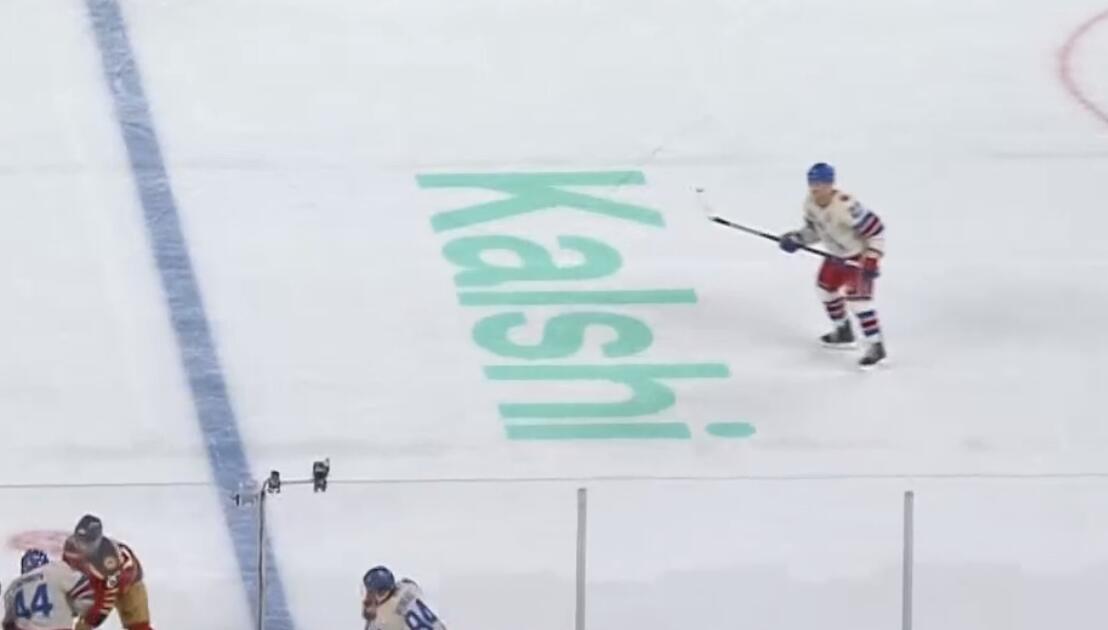
The NHL’s multiyear U.S. agreements with Kalshi and Polymarket show what this newer model can look like. Both companies were named official prediction-market partners of the league, gaining access to official data and intellectual property. The agreements also include exposure through digitally enhanced dasherboards and virtual blue-line signage during national broadcasts, including the Stanley Cup Playoffs and other marquee events. Read the NHL partnership announcement.
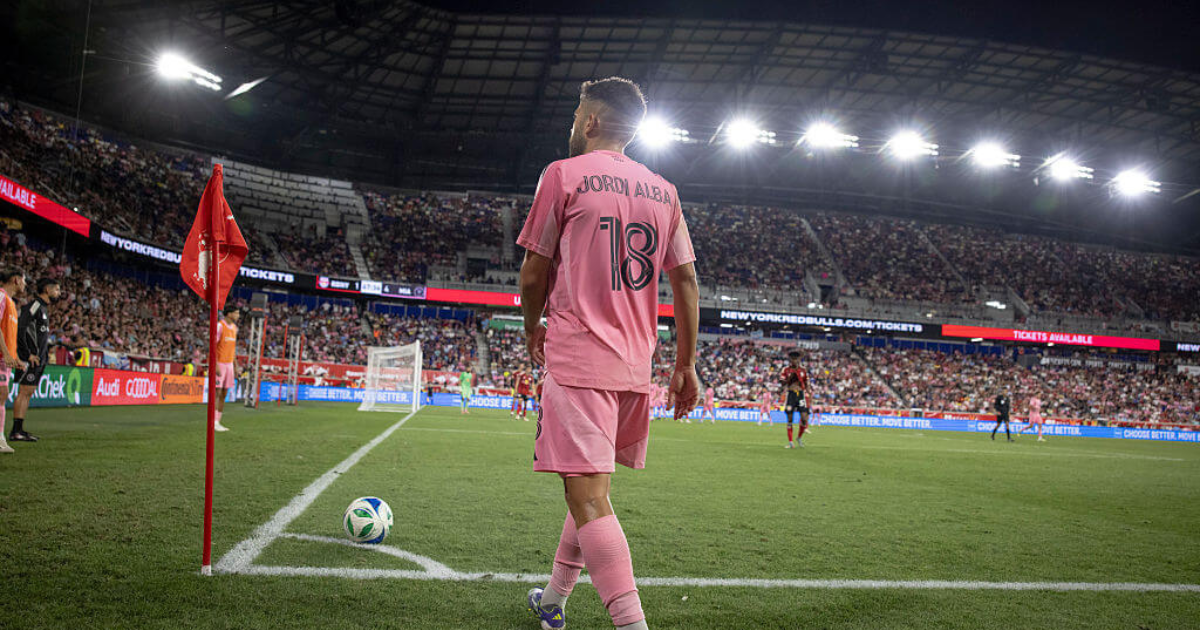
Polymarket’s relationship with MLS pushes the model further. As the official and exclusive prediction-market partner of MLS, the MLS All-Star Game, MLS Cup and Leagues Cup in the United States, the platform is expected to contribute real-time collective sentiment to digital content and second-screen experiences. Rather than treating market data only as a transaction, the partnership positions it as a form of sports storytelling. Read the MLS partnership announcement.
That distinction matters. Prediction-market probabilities can become content: a live expression of how an audience expects a game, season or storyline to unfold. When integrated thoughtfully, that information can add another layer to the fan experience while giving properties new inventory across broadcasts, social media and owned digital channels.
As Products Converge, Partnerships Become More Valuable
The boundaries between categories are becoming less rigid. FanDuel has expanded its portfolio with FanDuel Predicts, while DraftKings is building its DKeX offering. This is an evolution of the market, not a rejection of the sportsbook model. Leading operators are giving consumers more ways to express an opinion, follow an outcome and participate in the sports moments they already care about.
As product offerings broaden, sponsorship can become an increasingly important source of differentiation. Features can be copied and interfaces can evolve quickly. Relationships with teams, leagues, athletes and creators are harder to replicate because they are built through rights, trust, access and execution over time.
For rights holders, that creates a more complex—and potentially more valuable—commercial landscape. The opportunity is not simply to add another logo to a category roster. It is to determine what each partner can contribute to the fan experience: useful information, distinctive content, new participation mechanics or stronger connections between national platforms and local communities.
NFL Week 1 proved that fan appetite is large enough to support multiple forms of participation. The next measure of leadership will be what happens after the opening-week surge. Brands that use sponsorship to convert event-driven activity into season-long relevance will be best positioned to grow with the sports engagement economy—not merely benefit from its biggest weekends.
.png)
.png)
.png)
.png)
.png)
.png)
%20(1).png)
.png)
.png)
.png)
.png)
.png)

.png)
.png)
%20(1).png)

.png)
.png)
.png)
.png)
.png)
.png)
.png)
.png)
.png)
.png)





.png)


















.jpg)


.png)
.png)