Get In-Depth Data to Fuel Your Strategy
The latest announcements connect jersey visibility with payments, technology, community investment, and international growth.
As the NBA tips off its 2026–27 season, several of the league’s most visible sponsorship assets are changing hands. The partnerships behind those new jersey logos offer brand marketers a useful look at how teams are packaging their reach.
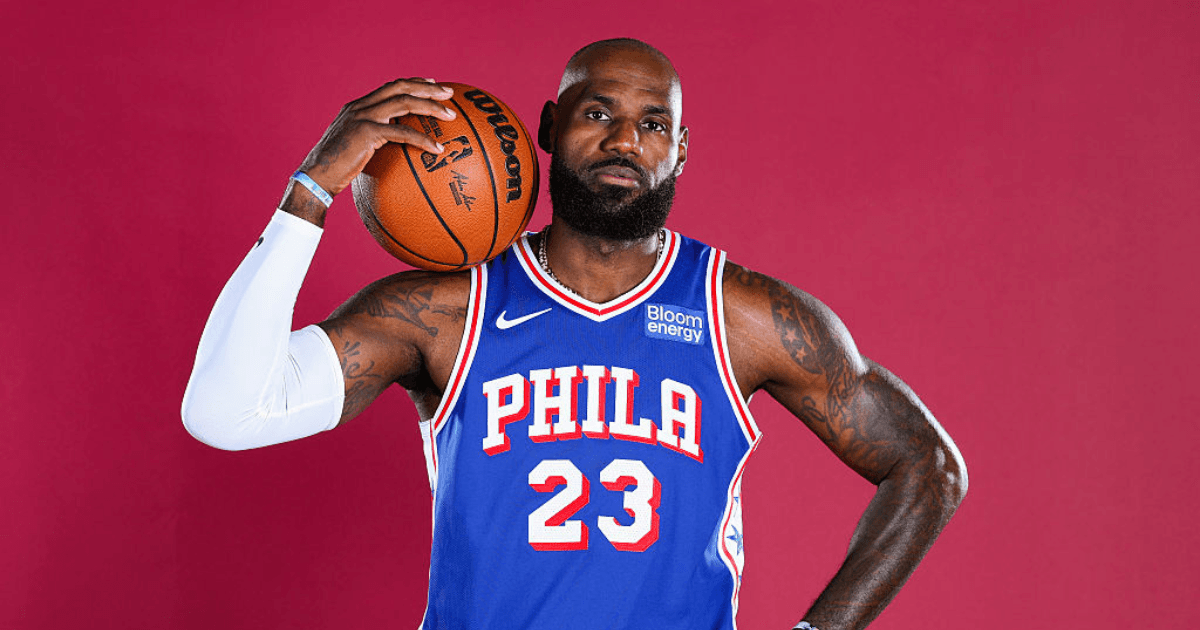
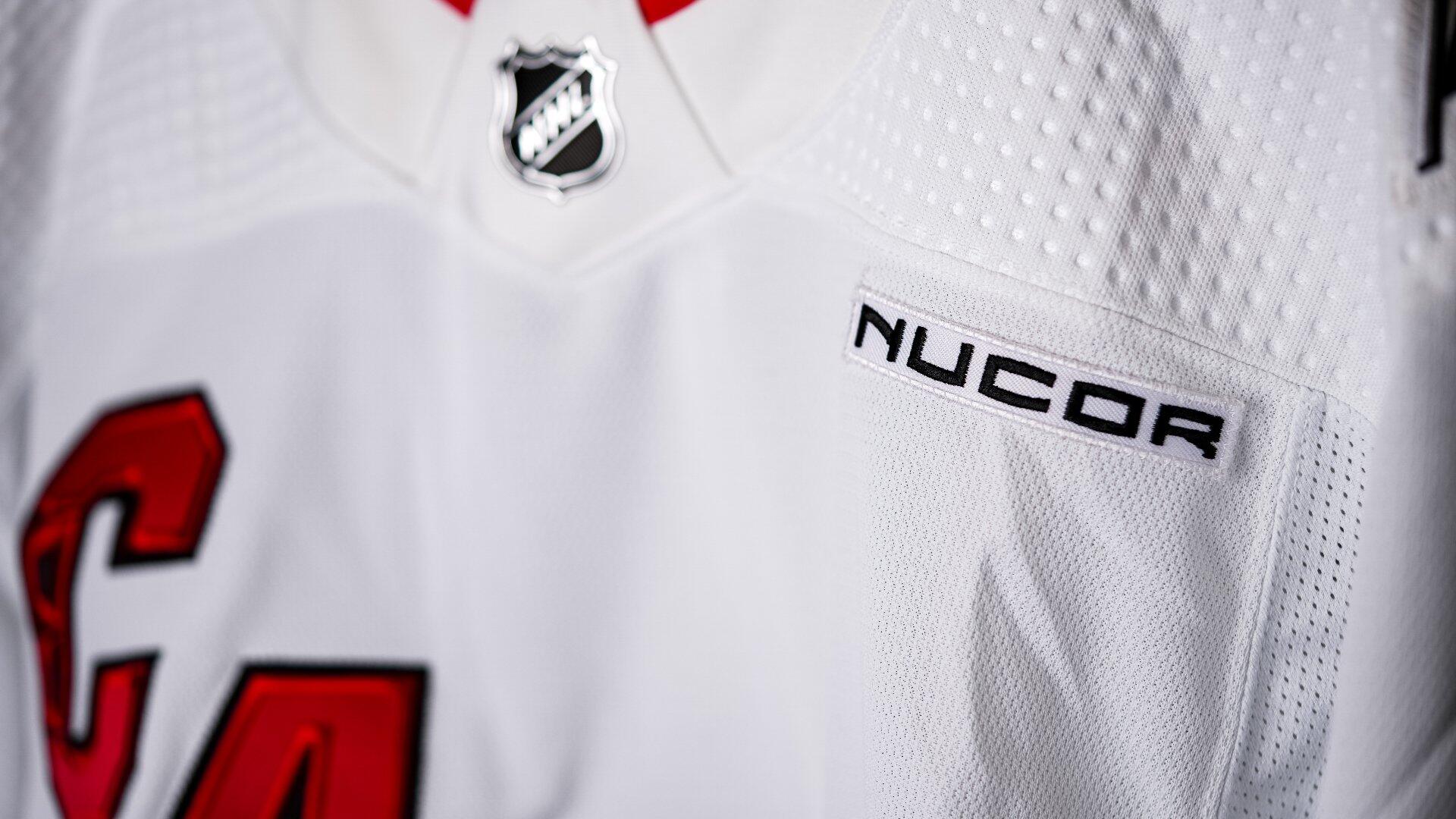
On September 28, Philadelphia announced Bloom Energy, Phoenix introduced Paze, and Brooklyn unveiled Alibaba as jersey patch partners. Milwaukee had announced Uline a week earlier. Across these agreements, uniform exposure sits within broader packages spanning fan experiences, community programs, and arena assets.
Alongside those moves, recent announcements involving Nestlé, IM8, Cisco, Arena Club, and Walt Disney World illustrate several different paths into basketball. For marketers evaluating the NBA, the opportunity starts with identifying what a partnership can help their business accomplish.
The jersey patch anchors a broader partnership
Phoenix offers one of the clearest examples of how the jersey patch is just one asset in the deal. Paze, the online checkout solution from Arizona-based Early Warning Services, succeeds PayPal on the Suns’ jerseys. Its agreement also names Paze the team’s Official Online Checkout Partner and Official Digital Wallet, with entitlement rights to the season ticket membership program.
That combination gives the brand several potential points of contact with fans: on the uniform, around ticket membership, and within the team’s commercial ecosystem. For payments marketers, it illustrates how a high-profile sponsorship can connect brand recognition with opportunities to introduce a product.
Brooklyn’s Alibaba agreement follows a different model. The partnership combines jersey patch rights with an official technology and cloud designation. Alibaba’s technology will support real-time, 360-degree replays at Barclays Center and a Nets Figure Lab where fans can create personalized collectible cards.
The arena becomes a place to demonstrate what the company’s technology can do. For technology brands, that creates a potential case study alongside the media exposure.
Philadelphia’s Bloom Energy partnership adds a regional dimension. Its announcement includes a planned seven-figure community investment and marquee jersey sponsorship of the Delaware Blue Coats. With a manufacturing hub in nearby Newark, Delaware, Bloom can connect its NBA presence with an existing local business footprint.
Milwaukee’s Uline agreement shows how an established sponsor can move into a more prominent role. The multi-year deal builds on a Bucks relationship that began in 2013, adding the company’s logo to game and practice jerseys alongside signage, digital media and in-arena assets at Fiserv Forum. For brands already invested in a team, it illustrates how an existing relationship can provide a foundation for a larger sponsorship commitment.
These deals suggest a useful planning question: which rights will help the brand turn attention into product understanding, customer engagement, or stronger community relationships?
Technology partnerships can begin with an operating need
Cisco’s October 15 update on its work across Atlanta, Brooklyn, and Cleveland highlights another route into the NBA: solving problems inside the organization.
In Atlanta, the work includes Wi-Fi 7 at State Farm Arena and a production command center. In Brooklyn, Cisco describes an evolving relationship across Brooklyn Sports & Entertainment’s properties. In Cleveland, its longstanding relationship is expanding to the Cavaliers’ new Cleveland Clinic Global Peak Performance Center.
These relationships have different histories and scopes. Taken together, they show how an arena or training facility can provide a setting for technology deployment and a business story a partner can tell. For B2B marketers, the practical starting point is understanding the property’s operating needs and involving the people responsible for those systems.
International reach comes with specific market rights
The NBA’s agreement with Nestlé spans 21 markets across four continents, bringing brands Milo, Nescau, and Nesquik into a shared basketball platform. It takes effect January 1, 2027, with youth basketball programs, fan experiences, and consumer promotions among the planned activations.
IM8’s agreement is more geographically focused, naming it the Official Nutrition Partner of the NBA in Australia and eight Southeast Asian markets. Planned activity includes regional campaigns and a 2027 NBA House activation.
For brands with international growth ambitions, both agreements reinforce the value of matching rights to the markets where they intend to invest. Local distribution, campaign resources and audience relevance will determine how effectively those rights can be used.
Fan participation gives the partnership a role on game day
Arena Club’s partnership with the 76ers brings trading card collecting into the fan experience through giveaways, player pack-opening content, and trading-card-themed starting lineup graphics.
In Orlando, Walt Disney World’s extension keeps its existing uniform presence and accompanies a redesigned Walt Disney World Atrium at Kia Center. It is a renewal, with an updated physical experience giving fans a fresh expression of the relationship.
What this means for brand marketers
For brand marketers, the pre-tip-off announcements offer a practical brief: identify the audience and business objective, then build a package that gives the brand a useful role throughout the season. That could mean demonstrating technology, introducing a checkout solution, supporting a community or creating something fans want to join.