.png)
Get In-Depth Data to Fuel Your Strategy
Trend #4: The Accelerating Evolution of Business-Backed Sponsorships
This new series examines trends we are seeing across sports sponsorships with supporting data insights from our industry-leading platform.
As leagues modernize their technology stacks and global events grow more complex, a distinct category of partnership has taken hold: the business-backed sponsorship. Unlike traditional marketing-led deals focused primarily on brand visibility, business-backed sponsorships integrate a company’s core products or services directly into a property’s operations. These agreements embed enterprise solutions — from cloud infrastructure and networking systems to cybersecurity platforms, data architecture, and athlete performance technologies — into how sports are run.
In this model, sponsorship is infrastructure. Cloud providers power competition management systems and broadcast workflows. Telecom operators enable connectivity across venues and global events. Enterprise software platforms manage data, analytics, and operational logistics. The partnership becomes both a commercial agreement and a functional backbone.
The prevalence of these deals across major leagues and global events signals that business-backed sponsorships have evolved into a durable operating model. They are a strategic vehicle for infrastructure investment that helps properties scale, innovate, and build long-term resilience while delivering enterprise brands measurable proof of performance. Below are examples of how these integrations are shaping the sports ecosystem.
Networking as Backbone: Cisco x NFL
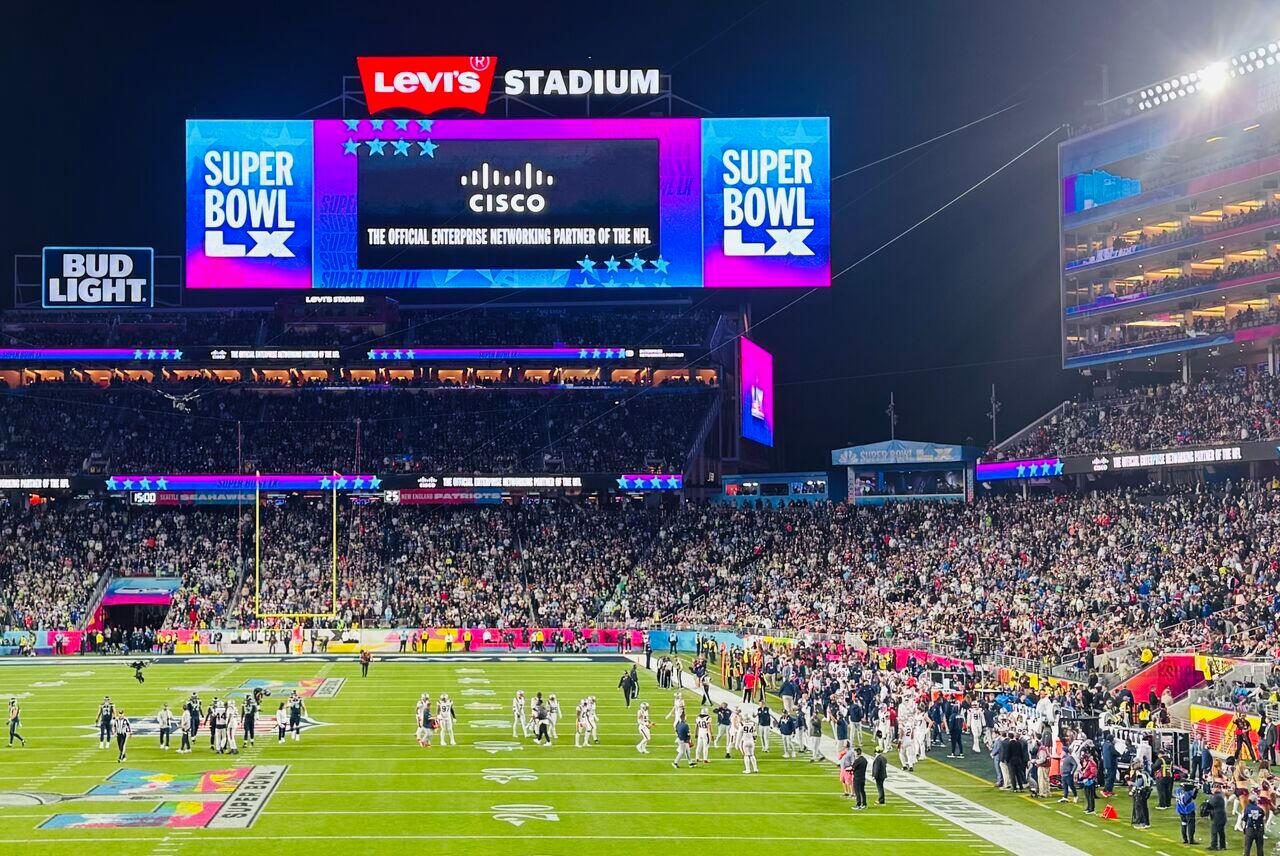
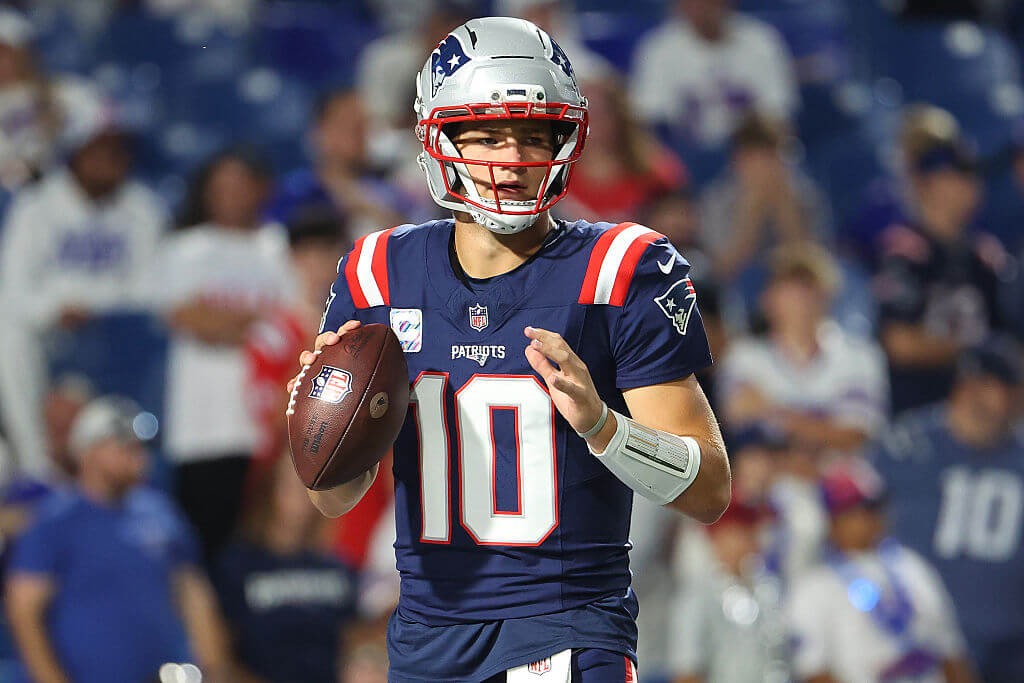
Cisco’s partnership with the NFL illustrates the shift. Since becoming a league sponsor in 2021—alongside team deals with the 49ers, Patriots, and six additional clubs added this past season—Cisco has built one of the deepest technology footprints in professional sports. Its enterprise networking infrastructure supports high-density Wi-Fi 7 deployments, hybrid mesh firewall security, and AI-ready systems across stadium environments. The Buffalo Bills are implementing Cisco’s Wi-Fi 7 access points and IP Fabric for Media to power content delivery. League-wide, Cisco collaborates with the NFL on a networking and cybersecurity playbook protecting tentpole events like the Super Bowl and NFL Draft. Every stadium replay control room runs on Cisco technology, connected to Art McNally Gameday Central in New York.
The infrastructure is embedded at the core of game operations.
Reinventing the Broadcast Layer: Sony x NHL

The NHL’s expanded global partnership with Sony reflects a similar evolution. Hawk-Eye tracking, Beyond Sports data visualization, professional imaging systems, and production technology are integrated into how hockey is captured and experienced. What began with puck and player tracking now extends into animated data visualizations, extended reality broadcast enhancements, and 3D-rendered game environments designed for digital platforms. Sony’s role is shaping how the sport is produced and distributed.
Cloud as Competitive Engine: AWS x NFL

Cloud partnerships further reinforce the trend. AWS’s long-standing relationship with the NFL began with Next Gen Stats, which processes more than 500 million data points each season. In 2025, the integration expanded into generative AI tools that support NFL Media research and production workflows through Amazon Q Business and Bedrock-powered systems. AWS now influences football operations, injury modeling, scheduling, fan personalization, and content creation. The platform powers backend systems while increasingly shaping the frontend fan experience.
Vertical Integration at Scale: AWS x NBA / WNBA
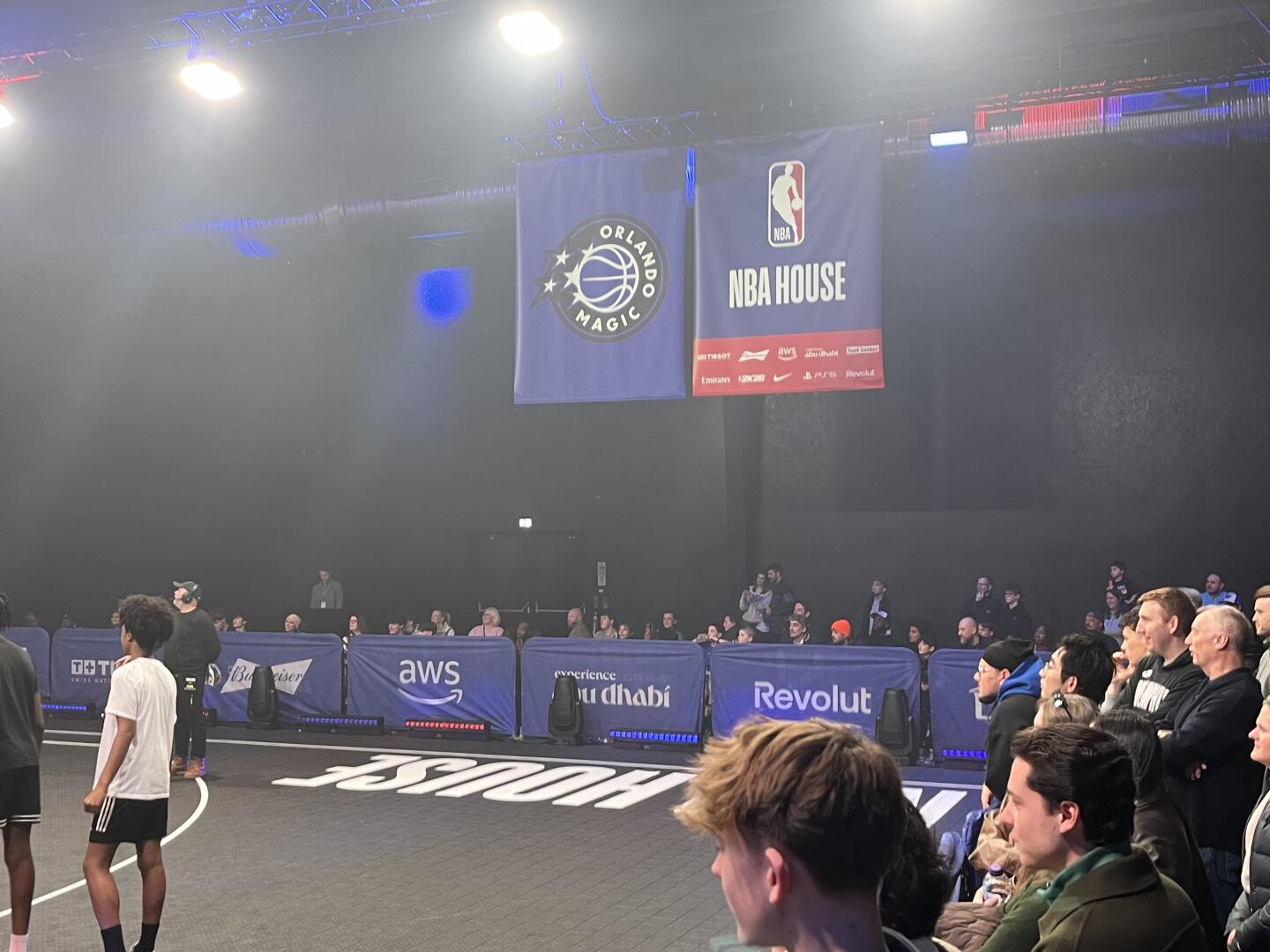
That layered approach is also visible in AWS’s 2025 agreement with the NBA and WNBA, where it became the Official Cloud and Cloud AI Partner as Amazon Prime Video entered its long-term media rights deal. Advanced AI-driven metrics surface in real time during broadcasts. Personalized viewing features and enhanced overlays are delivered within the same cloud ecosystem that supports League Pass distribution and commerce integrations. Infrastructure, analytics, distribution, and engagement now operate within a unified technology framework.
Building a Global Layer: AWS x PGA Tour
Golf is following a comparable path. AWS expanded its PGA Tour partnership with a new global designation ahead of the 2025–26 season. Generative AI produces real-time commentary and graphics for the World Feed, while the Favorite Players Hub automatically builds personalized highlights and storylines. The cloud provider functions as connective digital tissue across tours, broadcasts, and international audiences.
AI on the Sidelines: Microsoft x NFL
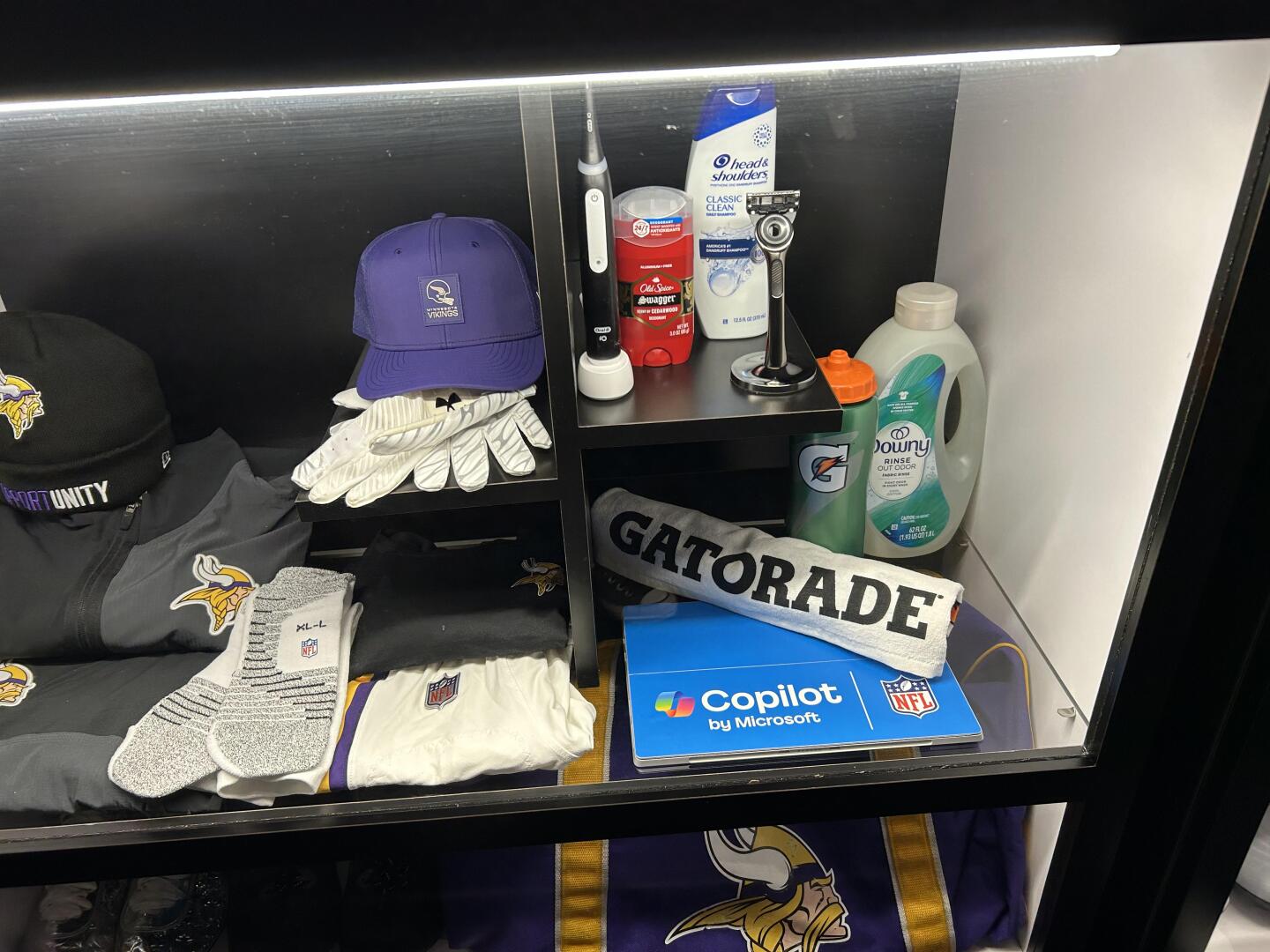
Microsoft’s NFL extension demonstrates how deeply integration can reach into competition itself. More than 2,500 Surface Copilot+ devices were deployed across all 32 teams ahead of the 2025 preseason, embedding AI-powered play filtering and sideline analytics into coaching workflows. GitHub Copilot assists with rapid play identification, while Azure AI supports broader football and business operations. Applied in high-pressure, real-time environments, the partnership positions AI as a competitive tool.
Enterprise Software at Global Events: SAP, T-Mobile, Google Cloud
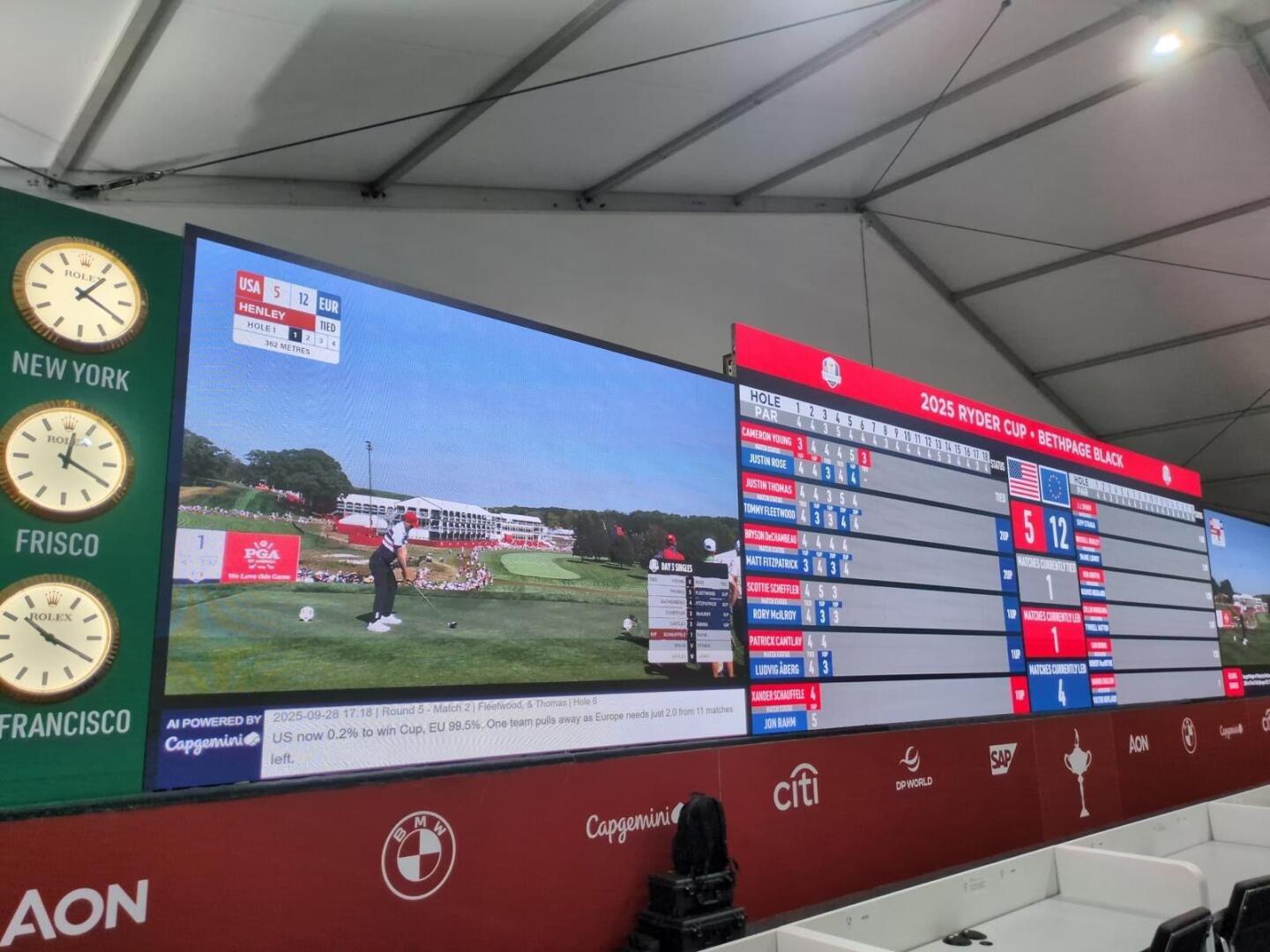
Global events are embracing the same model. SAP’s Ryder Cup agreement integrates fan data organization, personalization, and business analytics into tournament operations. T-Mobile’s roles in Formula 1 and the LA28 Olympics extend beyond branding into 5G-connected broadcast cameras, mission-critical communications, venue-to-broadcast infrastructure, and large-scale staff connectivity. Google Cloud’s Founding Partnership with LA28 spans organizing committee logistics, Team USA athlete preparation tools, and AI-enhanced broadcast search capabilities with NBCUniversal.
Across each example, the common denominator is utility. Enterprise partners are solving operational complexity, scaling digital ecosystems, and reinforcing resilience across global sports platforms.
Why This Trend Matters
These deals share consistent characteristics: integration into core systems rather than peripheral assets; value measured through performance and enablement rather than impressions alone; and multi-layered deployment spanning competition, content, distribution, and operations. As AI, cloud computing, networking, cybersecurity, and telecom infrastructure become inseparable from modern sports, enterprise brands are positioning themselves at the center of that transformation.
Sponsorship has evolved into something more foundational—a vehicle for enterprise integration, operational resilience, and long-term competitive advantage. As sports properties modernize their infrastructure, the brands that power those systems are becoming central to how the industry operates and grows.
For properties, these deals raise important strategic questions: where does enterprise integration create meaningful differentiation, which categories are moving from branding budgets to infrastructure budgets, and where does whitespace still exist? For brands, the opportunity is increasingly about embedding into performance environments that demonstrate real-world capability at scale.
Business-backed sponsorships reflect a structural recalibration of value and one that is reshaping how sports organizations build for the decade ahead.

.png)

%20(1).png)
.png)
.png)
%20(1).png)

.png)
.jpg)
.jpg)
.jpg)


.png)













.jpeg)

.png)




.png)

.png)





_page-0001.jpg)