.jpg)
Get In-Depth Data to Fuel Your Strategy
Trend #1: Prediction Markets Move from Curiosity to Category
This new series examines trends we are seeing across sports sponsorships with supporting insights from our industry-leading platform.
During this year’s Super Bowl, more than $1 billion in trading volume flowed through Kalshi’s sports-related markets, a dramatic rise from the roughly $27 million tied to the game the year prior. For a category still considered early-stage in sports sponsorship, that type of scale is worth unpacking. Prediction markets are gaining traction inside the sports ecosystem at a pace that demands attention from brands, leagues, and media partners. Their growth is measurable, visible, and increasingly aligned with major properties.
How will this category mature inside sponsorship? And will its trajectory resemble prior breakout subcategories such as Crypto or Sports Betting and Daily Fantasy Sports (DFS)?
The early signals suggest a distinct path.
The Historical Playbook: What Prior Categories Teach Us
Emerging financial-adjacent categories tend to follow recognizable stages in sports sponsorship. Initial partnerships cluster around credibility-building assets. League engagement evolves alongside regulatory confidence. Asset mix reveals whether a category prioritizes awareness, conversion, or institutional validation. Let’s examine two categories that have recently emerged in a big way: crypto and sports betting.
Crypto: Concentrated Capital and Premium Visibility
Crypto’s rise inside Finance sponsorship illustrated how concentrated capital can shape perception.
Although Crypto represented only about 2% of Finance deals in 2025, it accounted for roughly 12% of the category’s $1.75B in sponsorship spend. Average deal size reached $10.8M, placing it well above other Finance subcategories.
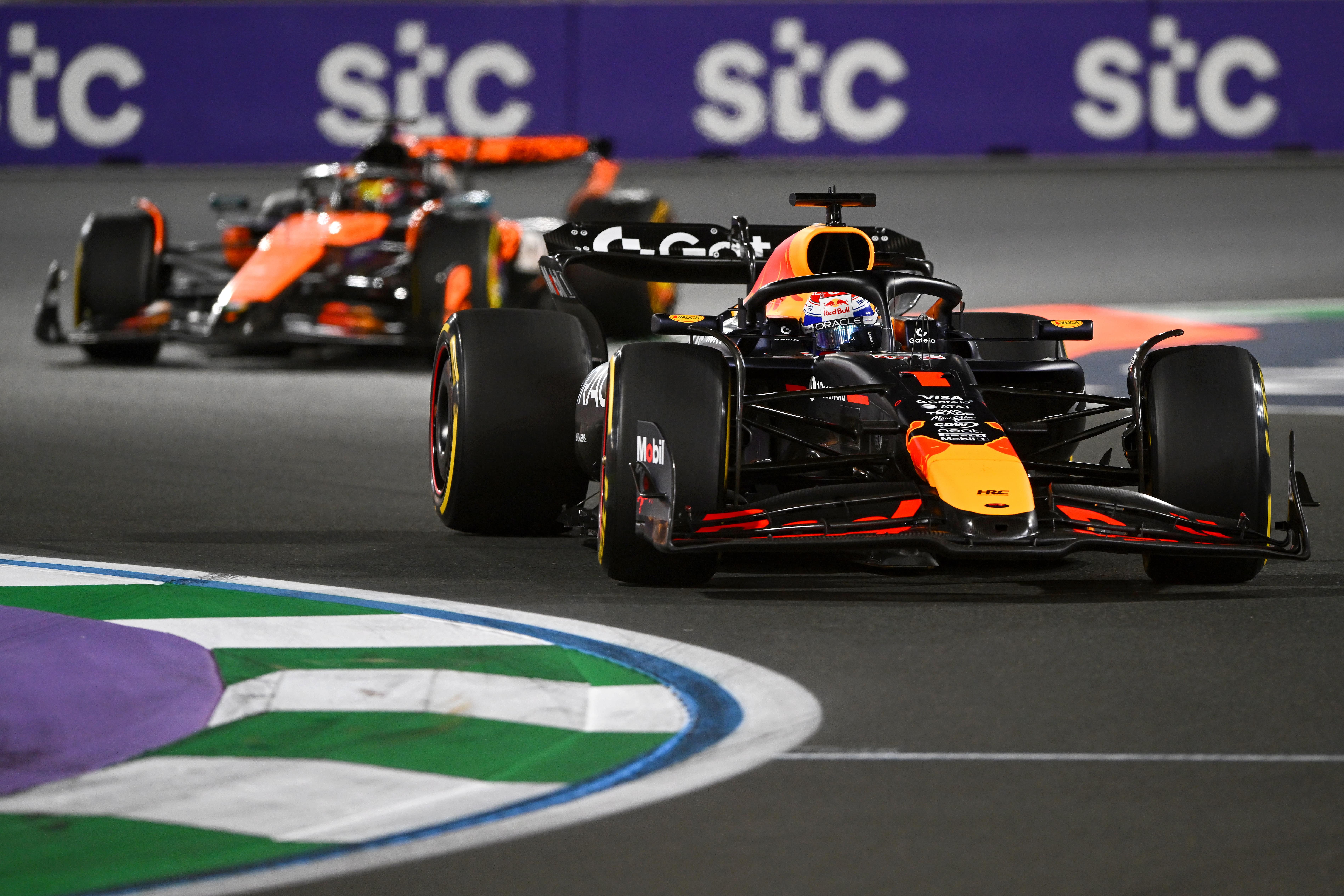
Within our latest SPND data, Formula 1 materially influenced those totals. Including F1, Crypto sponsorship spend reached $205M in the latest SPND dataset. Excluding F1, that number stands at $72.5M. The disparity highlights how a single global property can amplify category visibility.
Even beyond F1, Crypto partnerships leaned heavily toward naming rights, jersey patches, and top-tier entitlements. The capital allocation reflected a desire for institutional association.
League vs. Team Adoption: Early Validation Patterns
Adoption timing across leagues and teams offers another signal of category maturity.
From 2018 through 2022, team-level Crypto deals significantly outpaced league-level agreements. Teams functioned as initial entry points while leagues evaluated regulatory exposure and long-term positioning. Even today, sustained league-level Crypto relationships remain limited, with the NBA and WNBA maintaining consistent alignment through Coinbase, while leagues such as the NFL and MLS did not take on league-wide Crypto sponsorship structures.
A parallel — though more accelerated — story unfolded in another emerging category. Sports In Betting and Daily Fantasy Sports (DFS), early team partnerships were driven by state-level legalization while league agreements expanded as regulatory clarity increased. Women’s leagues and MLS often served as controlled early environments before broader league adoption.
These sequencing patterns—team-first experimentation followed by league validation—provide useful contrast when evaluating how newer categories approach market entry.
Sports Betting: Regulatory Momentum and Operational Integration
Sports Betting and Daily Fantasy Sports (DFS) expanded through regulatory momentum and distribution scale within the Gaming category. Today, Betting and DFS account for 83% of Gaming sponsorship spend, totaling $302M including F1. Excluding F1, spend reaches $231M across 195 tracked deals, with an average deal size of approximately $1.5M.
Chart below references Team SPND Data while "Other" includes WNBA & MLS.
The inflection point came in 2018, when the U.S. Supreme Court struck down the Professional and Amateur Sports Protection Act (PASPA), clearing the way for state-level legalization. As regulatory clarity increased, league-level partnerships accelerated. Between 2019 and 2021, league deals grew from 14 to 33.
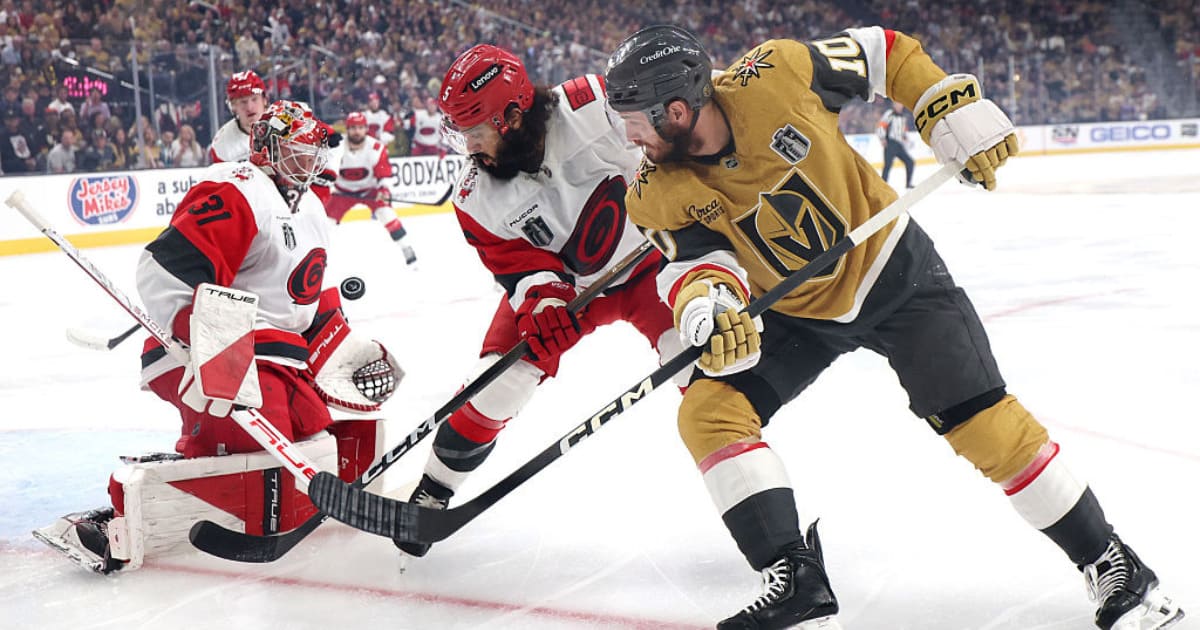
The NHL established early national relationships, while the NFL implemented a tiered model that balanced exclusive official partners with broader team-level agreements.
As more states legalized sports betting, sportsbooks became embedded within the fan experience. Lounge concepts, branded digital integrations, broadcast overlays, and in-venue activations expanded the category’s presence. Sponsorship evolved alongside operational rollout.
Capital allocation across Crypto and Betting further illustrates how adjacent categories consolidate over time as regulatory clarity and operational scale advance..
In 2021, Betting accounted for 62% of combined Crypto and Betting sponsorship spend, compared to 38% for Crypto. By 2023, that share shifted to 77% Betting and 27% Crypto. The most recent SponsorUnited data shows Betting at 78% and Crypto at 28%.
Premium Asset Escalation as a Maturity Signal
Since 2021, the average size of premium Crypto and Betting/DFS partnerships has nearly doubled. Venue naming rights and primary jersey patch placements accounted for roughly half of total spend during peak expansion years across the NBA, NHL, and MLS.
Premium inventory concentration often indicates that a category has moved beyond exploratory spend and into strategic capital deployment.
These historical patterns—regulatory catalyst, league endorsement, and scaled team penetration—provide useful context for evaluating how prediction markets are approaching sports partnerships.
Prediction Markets Enter With League Alignment
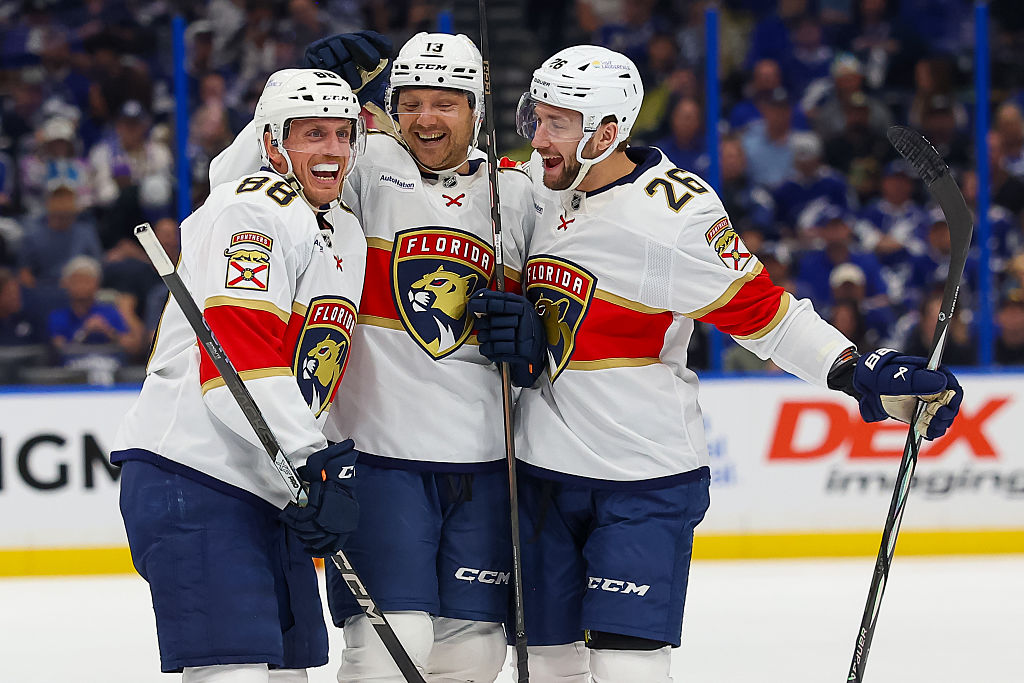
The early sponsorship activity around prediction markets stands out for its league-level orientation while beginning to adopt a few teams within the NHL.
Kalshi has aligned with the NHL, Tampa Bay Lightning, Pro Padel League, and Baller League USA. Polymarket has secured partnerships with the NHL, New York Rangers, UFC, Major League Pickleball (MLP), and the Professional Pickleball Association (PPA) Tour. Team-level deals and individual athlete endorsements are present, though they are not the primary driver of visibility.
League-first engagement at this stage signals a strategic emphasis on institutional credibility. Prediction markets operate within a federal regulatory framework overseen by the Commodity Futures Trading Commission (CFTC), where national legitimacy directly affects product viability. Alignment at the league level provides structural validation that team-level experimentation alone cannot deliver.
This posture places credibility and compliance at the center of sponsorship strategy from the outset.
Media Integration as a Growth Engine
Prediction markets possess a built-in media utility that shapes how they integrate into sports environments.
Market pricing represents real-time probability. That data layer fits naturally into pre-game coverage, awards debates, trade deadline analysis, playoff scenarios, and draft speculation. Probability framing can be embedded into broadcast graphics, studio discussions, and digital editorial.
This opens inventory categories that differ from traditional venue-driven sponsorship assets. Broadcast integrations, analysis desk sponsorships, digital overlays, and editorial partnerships become particularly valuable.
For brands, this creates adjacency to data-driven storytelling rather than solely to physical in-venue placements.
The Super Bowl trading volume surge underscores how tentpole events can accelerate this integration. Major events concentrate attention, and probability markets thrive in moments where outcomes carry heightened national focus.
Concentration and Expansion Signals
Early category behavior suggests that prediction market sponsorships may cluster in sports with strong media narratives, defined competitive structures, and national visibility. League-level partnerships provide governance clarity while media integrations build familiarity among fans.
Early breakout categories often concentrate spend within a narrow set of properties before expanding more broadly. Concentration provides regulatory stability, operational refinement, and media normalization prior to scaled proliferation. Current activity suggests prediction markets may follow a similar pattern, with select leagues serving as initial anchors.
Regulatory scrutiny will shape pacing and partnership structure. Adjacent categories have demonstrated that formalized league relationships and clearly defined guardrails help stabilize emerging sponsorship segments.
Brands evaluating entry into this space should consider several variables:
- The governance posture of each league
- Media integration opportunities tied to probability data
- Alignment with existing gaming or financial services partnerships
- Long-term brand positioning in regulated environments
Prediction markets intersect with media, gaming, financial services, and data analytics. That multi-category overlap increases both opportunity and complexity.
Strategic Implications for Brands
Prediction markets are developing at a time when sponsorship strategy increasingly emphasizes measurable engagement and contextual relevance.
Categories that influence how fans interpret competitive outcomes occupy a powerful position in the sports ecosystem. Probability framing shapes conversation. It influences discourse across broadcast, social, and digital channels.
For brands, early participation offers differentiation within a category that is still defining its sponsorship architecture. League alignment, broadcast integration, and data partnerships will likely form the backbone of long-term category presence.
The acceleration in trading volume, the pace of league partnerships, and the media-ready nature of probability data suggest that maturation could occur quickly. Brands that study the structural signals—capital concentration, league engagement patterns, asset mix, and regulatory alignment—will be best positioned to assess when and how to enter.
Prediction markets are no longer a peripheral conversation in sports. They are becoming part of the commercial infrastructure surrounding major events. For decision-makers responsible for forward-looking sponsorship strategy, this category now warrants deliberate evaluation rather than passive observation.
Methodology
This post was authored by SponsorUnited's Marketing, Business Intelligence, and Analytics teams using data from the SponsorUnited platform. Analysis draws on multiple data pulls covering sponsorship deal activity from 2018 through each league's most recently published season — MLB (2025), MLS (2025), NBA (2024–25), NFL (2025–26), NHL (2024–25), NWSL (2025), WNBA (2025), and Power 4 college athletics (2024–25) — with crypto and bitcoin brand-level data spanning 2021–2023 used as a historical benchmark for category comparison. Sponsorship pricing data is sourced from SponsorUnited's SPND product, which estimates deal values using a proprietary algorithm combining AI technology with multiple data sources, including over $13.3 billion in actual sponsorship transactions.
.png)
%20(1).png)
.png)
.png)
%20(1).png)

.png)
.png)
.jpg)
.jpg)


.png)











.jpeg)
.png)




.png)
.png)



_page-0001.jpg)